
Understanding Home Appraisals in Tennessee: What Every Buyer and Seller Should Know in 2026
A home appraisal can make or break your Tennessee real estate deal. With the statewide median at $385,000, understanding how appraisals work — and what to do when they don't go your way — is essential.

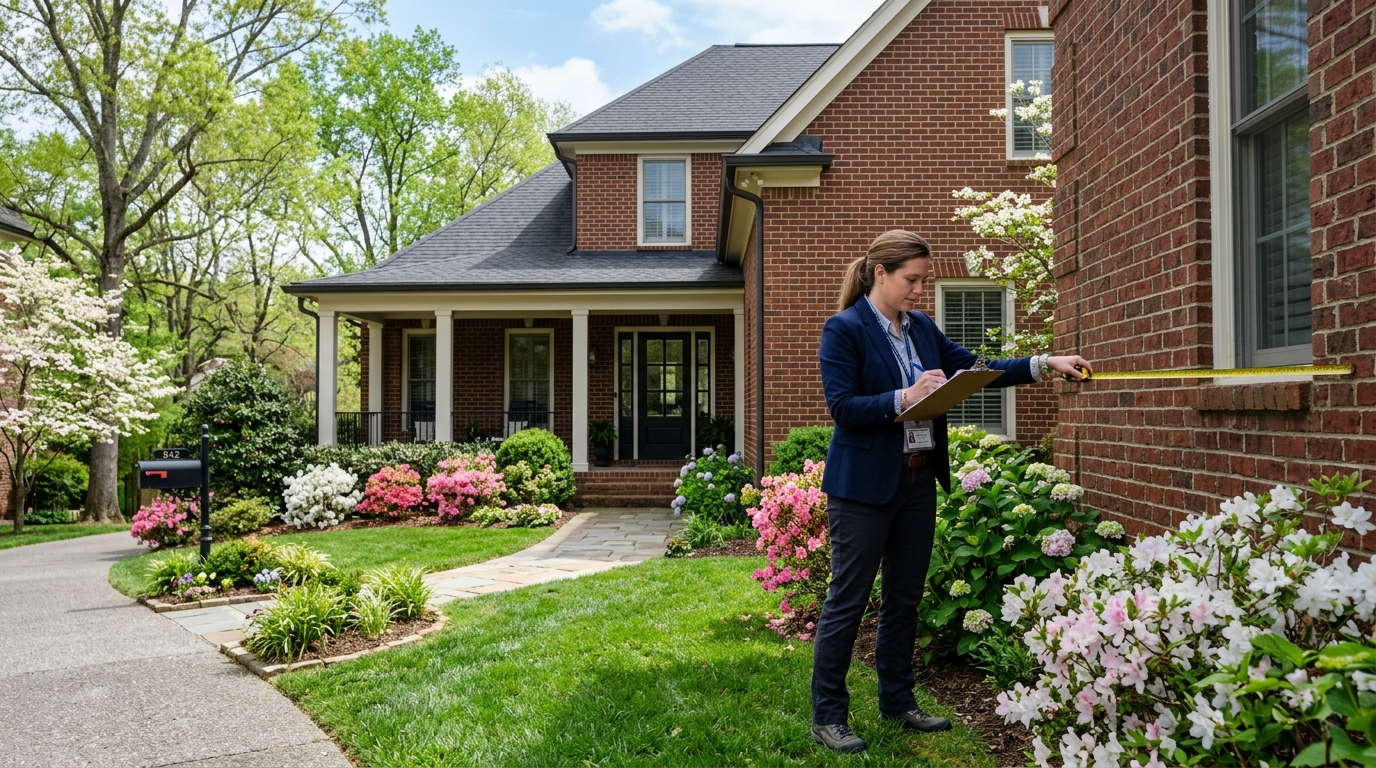
Every real estate transaction that involves a mortgage includes a home appraisal — and yet most Tennessee buyers and sellers don't fully understand what it is, how it works, or what to do when the number doesn't match their expectations. In a market where the statewide median home price has reached $385,000 and homes are selling in an average of 28 days, appraisals are the quiet checkpoint where deals either move forward or fall apart.
This guide explains exactly how home appraisals work in Tennessee's 2026 market, what factors influence the appraised value, and the real options available when the numbers don't align.
What Is a Home Appraisal and Why Does It Matter?
A home appraisal is an independent, professional assessment of a property's market value. The lender orders it — and the buyer pays for it (typically $400–$600 in Tennessee) — to ensure the home is worth at least as much as the loan amount. The appraiser is a licensed professional, regulated by the Tennessee Real Estate Appraiser Commission, and they must be impartial. They don't work for the buyer, the seller, or the agent — they work for the lender.
Why does this matter? Because lenders won't approve a $350,000 mortgage on a home that an independent expert says is worth $325,000. The appraisal protects the buyer from overpaying and the lender from over-lending. It's one of the few safeguards in the process that exists purely to verify that the deal makes financial sense.
How Tennessee Appraisers Determine Home Value
The appraisal process for residential property in Tennessee follows the Uniform Standards of Professional Appraisal Practice (USPAP). The appraiser will visit the property, take photos and measurements, assess the condition and features, and then apply one or more valuation methods. For most single-family homes, the primary method is the Sales Comparison Approach.
The Sales Comparison Approach
This is the method used in the vast majority of Tennessee residential appraisals. The appraiser identifies 3–6 "comparable sales" (comps) — homes similar to the subject property that sold recently (typically within the past 6 months) and within a reasonable distance (usually 1 mile in urban areas, up to 5–10 miles in rural Tennessee). They then make adjustments for differences:
- Square footage: Adjusted at $50–$150 per square foot depending on the area
- Bedrooms and bathrooms: Typically $5,000–$15,000 per additional bedroom/bathroom
- Garage: $15,000–$25,000 for a 2-car garage versus none
- Lot size: Varies significantly — more impactful in rural Sevier County than in urban Nashville
- Age and condition: Updated kitchens and bathrooms, new roof, HVAC age all factor in
- Location: Same neighborhood preferred; school district, flood zone, and proximity to amenities matter
Tennessee-Specific Factors That Affect Appraisals
Several factors are particularly relevant in Tennessee's 2026 market:
Rural properties and acreage: East Tennessee has many properties on 2–20+ acres. Finding comparable sales for a custom home on 10 acres near Sevierville is harder than finding comps for a 3-bedroom in a Knoxville subdivision. Appraisers may need to expand their search area or make significant land adjustments, which introduces more subjectivity.
Short-term rental history: In Sevier County and other tourism areas, homes that have been used as short-term rentals may have upgrades (hot tubs, game rooms, commercial-grade kitchens) that inflate the asking price but don't fully translate to appraised value for a primary residence. An appraiser values the property as a home, not as a business.
Flood zones: Tennessee has significant flood-prone areas along the Tennessee River, French Broad River, and their tributaries. Properties in FEMA-designated flood zones may appraise differently due to required flood insurance costs and buyer pool limitations. Appraisers note flood zone status on every report.
New construction lag: In rapidly developing areas like Franklin, Spring Hill, and the Knoxville suburbs, new construction may not yet have comparable resale data. Appraisers sometimes struggle to find resale comps that match new-build pricing, especially for builders using premium finishes.
What Happens During the Appraisal Visit
The physical inspection typically takes 30–60 minutes. The appraiser will:
- Measure the exterior dimensions (to verify or calculate square footage)
- Photograph the front, back, street scene, and key interior rooms
- Assess overall condition: structural integrity, roof, foundation, systems (HVAC, plumbing, electrical)
- Note any health or safety issues (peeling paint, missing handrails, non-functional systems)
- Evaluate upgrades: kitchen renovations, bathroom remodels, flooring, windows
- Check for any obvious deficiencies that could affect habitability or lender requirements
For FHA and VA loans, the appraiser also performs a more detailed property condition assessment. FHA appraisals, for example, require working utilities, safe water supply, functioning heating systems, and no lead-based paint hazards in homes built before 1978. If the property doesn't meet FHA minimum property standards, the lender may require repairs before closing.
What to Do If the Appraisal Comes in Low
This is where many Tennessee deals get complicated. A low appraisal means the independent value is less than the agreed purchase price. In 2026's market, this happens more often than you might think — particularly in fast-moving markets where bidding wars push prices above what recent comparable sales support.
Here are your real options:
Option 1: Negotiate a Lower Price
The most common resolution. If the appraisal comes in at $340,000 on a $360,000 contract, the buyer's agent presents the appraisal to the listing agent and requests a price reduction. Many sellers will agree — especially if the property has been on the market for a while or if they need to close by a specific date. The appraisal gives the buyer legitimate leverage: "This is what an independent professional says the home is worth."
Option 2: Split the Difference
A common compromise in Tennessee transactions. Using the same example: the buyer might agree to pay $350,000 (covering $10,000 above the appraised value in cash), while the seller drops the price by $10,000. This requires the buyer to have additional cash on hand beyond their original down payment and closing costs.
Option 3: Cover the Gap in Cash
If you love the home and have the resources, you can pay the difference between the appraised value and the purchase price in cash. The lender will still base the loan on the appraised value, but you bring extra cash to the closing table. This is a personal decision based on how strongly you feel about the property and your financial reserves.
Option 4: Challenge the Appraisal
If you believe the appraiser missed relevant comparable sales or made an error, you can submit a Reconsideration of Value (ROV) through your lender. Provide specific comparable sales the appraiser didn't use, with documentation of how they support a higher value. ROVs succeed about 20–30% of the time — they're worth pursuing when you have strong evidence, but don't count on them.
Option 5: Walk Away
If your contract includes an appraisal contingency (and it should — especially for first-time buyers), a low appraisal gives you the right to terminate the contract and receive your earnest money back. This is a legitimate protective measure, not a failure. If the numbers don't work, protecting your financial position is the smart move.
How Sellers Can Prepare for the Appraisal
Sellers often overlook appraisal preparation, but small steps can make a meaningful difference:
- Compile an upgrade list: Provide the appraiser with a dated list of all improvements — new roof (year and cost), kitchen renovation, HVAC replacement, bathroom remodel. Include receipts or contractor invoices when possible.
- Ensure access to all areas: Unlock crawl spaces, provide attic access, clear paths to HVAC systems and water heaters. Appraisers can't value what they can't inspect.
- Fix obvious deficiencies: Replace burned-out light bulbs, fix leaky faucets, ensure all systems are functional. These seem small, but an appraiser notes every deficiency, and they create a negative impression.
- Provide comparable sales: Your agent should provide the appraiser with 3–5 relevant comparable sales that support your asking price. Appraisers are not obligated to use them, but it gives them additional data points.
- Maintain curb appeal: First impressions affect appraisers just like buyers. A well-maintained exterior signals a well-maintained home.
The Cost of Appraisals in Tennessee
Appraisal fees in Tennessee vary by property type and complexity:
- Standard single-family home: $400–$550
- Multi-family (2-4 units): $600–$900
- Rural/acreage properties: $500–$700 (due to more complex comp analysis)
- Luxury homes ($750,000+): $600–$1,000
- FHA/VA appraisals: Same cost range, but include additional property condition requirements
The buyer pays the appraisal fee, typically at the time it's ordered (not at closing). This cost is non-refundable even if the deal falls through. It's a necessary expense that protects your investment.
Working with the Right Team Matters
Tracy King's team at Kings of Real Estate has navigated thousands of appraisals across Tennessee. With over 6,000 transactions, they've seen every scenario — from clean appraisals that come in above purchase price to complex negotiations when values fall short. Their approach: price homes accurately from the start using deep local knowledge, prepare sellers for the appraisal process, and advocate effectively for buyers when challenges arise.
Every listing comes with Tracy's written guarantee: Your Home Sold Guaranteed or I'll Buy It!* That confidence starts with knowing the numbers — and in real estate, the appraisal is where the numbers get real.
Frequently Asked Questions
How long does a home appraisal take in Tennessee?
The physical inspection takes 30–60 minutes. The full report is typically delivered to the lender within 5–10 business days, though timelines can extend to 2–3 weeks in busy markets. Rush appraisals are available for an additional fee but are rarely necessary in standard transactions.
Can I attend the home appraisal?
Buyers generally cannot attend the appraisal — the appraiser works independently to maintain objectivity. Sellers or their agents may be present to provide access and answer questions, but should avoid trying to influence the appraiser's assessment. Providing a written list of upgrades is appropriate and helpful; following the appraiser from room to room is not.
Do appraisals and inspections serve the same purpose?
No. A home inspection evaluates the physical condition of the property — identifying defects, safety hazards, and maintenance needs. An appraisal determines market value. You need both. The inspection protects your safety and future repair budget. The appraisal protects your financial investment and satisfies the lender. They are ordered separately and conducted by different professionals.
What if the appraisal is higher than the purchase price?
This is instant equity. If you agreed to buy at $350,000 and the home appraises at $370,000, you've effectively gained $20,000 in equity at closing. The appraiser's report goes to the lender, not the seller — so the seller won't know the appraisal came in high, and the purchase price stays the same. This scenario is more common when buying in a rapidly appreciating market or finding a well-priced listing.
How often do appraisals come in low in Tennessee?
Industry estimates suggest 8–12% of residential appraisals nationally come in below the contract price. In Tennessee's competitive 2026 markets like Nashville and Knoxville, the rate may be slightly higher due to rapid price appreciation outpacing comparable sale data. Properties in rural areas with fewer comps also have higher risk of appraisal challenges.
FREE GUIDE
🚩 9 Buyer Traps You Must Avoid
Don't fall for the most common buyer mistakes that cost thousands. Get this free guide before your next showing.
Subscribe & Get Your Free Copy →Join our free newsletter — we'll send it straight to your inbox.
*Tracy and seller must agree on price and possession date