
Nashville Planning Drops Woodmont, Harding and Two Old Hickory Segments From Transit Map
On Sept. 24, 2026, the Metro Nashville Planning Commission voted 7-0 to approve 2026CP-000-002, an update to the NashvilleNext Growth and Preservation Concept Map that removes Woodmont Boulevard, the Powell-Sidco-Harding route and two Old Hickory Boulevard segments as high-capacity transit corridors

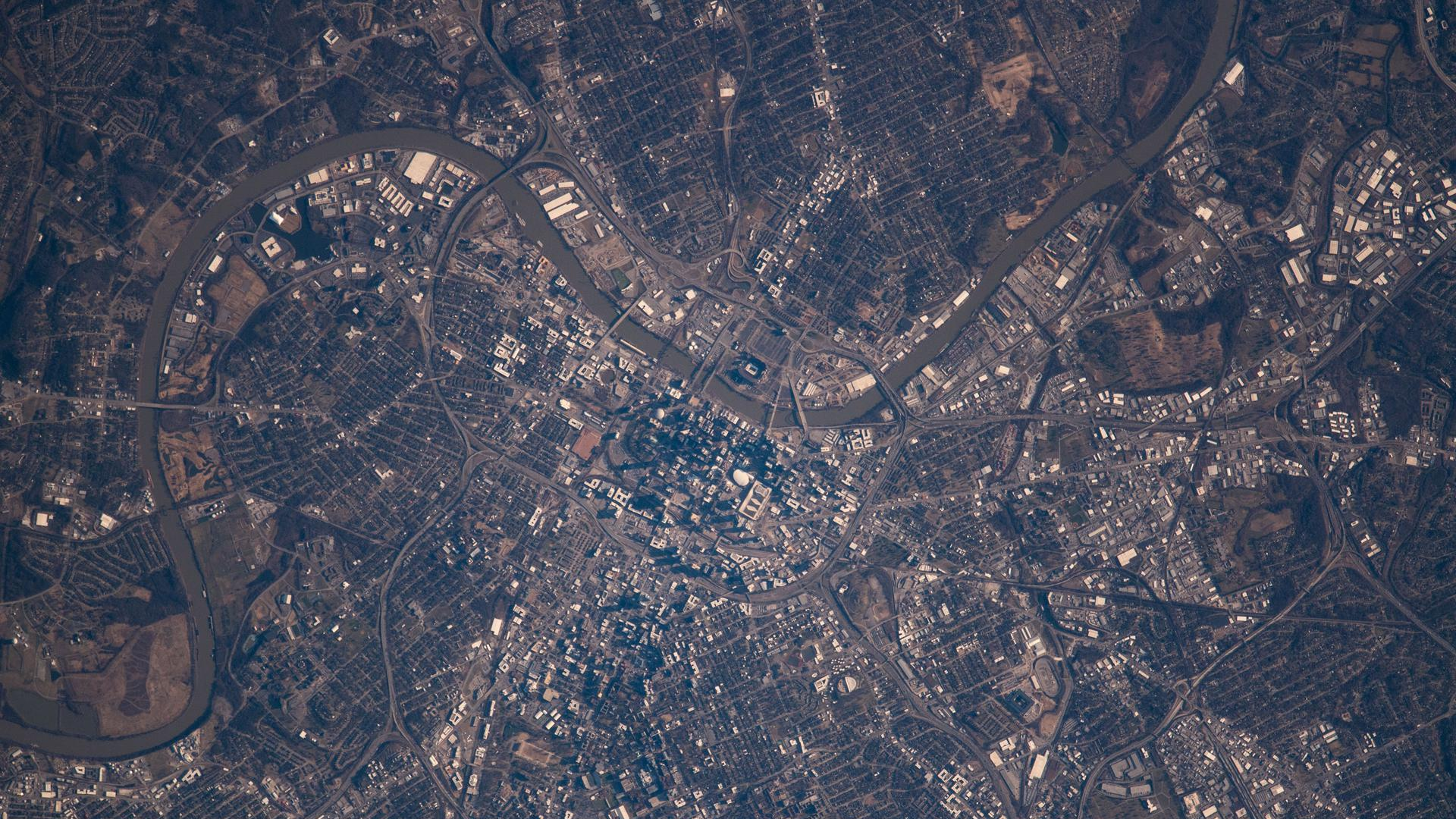
Four Nashville streets are no longer on the city’s long-range map of high-capacity transit corridors. On Sept. 24, 2026, the Metro Nashville Planning Commission voted 7-0 to approve case 2026CP-000-002, an update to the Growth and Preservation Concept Map in NashvilleNext, the county’s general plan.
The update removes Woodmont Boulevard, a Powell Avenue–Sidco Drive–Harding Place route, and two stretches of Old Hickory Boulevard as high-capacity transit corridors. Most of the “transition” land along those streets, the band where the plan encourages infill, shifts to the neighborhood category. Transition areas next to centers stay.
What the Concept Map is
The staff report describes the Concept Map as a component of NashvilleNext that was adopted in 2015 and amended in 2017. It is meant to guide land use decisions for 25 years or more, while the county’s 14 community plans apply policy at a finer level on a five- to ten-year horizon.
The map sorts the county into six broad concepts:
- High-capacity transit corridors, where frequent transit is available or planned and more intense housing and commercial areas may be appropriate.
- Centers, which take most future growth.
- Transition areas, along major corridors and around centers.
- Neighborhoods, which NashvilleNext calls the backbone of the community.
- Green network, for nature and natural resources.
- Special impact areas, such as industrial areas and airports.
Why Planning updated it now
The report ties the change to Choose How You Move (CHYM), the transportation program Davidson County voters approved in November 2024. It dedicates a portion of county sales tax to dedicated bus lanes, longer transit hours, route expansions, new transit centers, signal upgrades, sidewalks and bike lanes.
Staff focused on CHYM’s all-access corridors, the ten most heavily traveled roadways, and its frequent-service routes. It also compared the map to the draft WeGo Forward transit plan and the Greater Nashville Regional Council’s Regional Transportation Plan. The regional plan showed no major conflicts with the current Concept Map.
The Concept Map splits high-capacity transit corridors into immediate need, where improvements are expected within ten years, and long-term need, which will take longer. Portions of Gallatin Pike, Dickerson Pike, Murfreesboro Pike, Nolensville Pike, Charlotte Pike and West End Avenue are among the immediate need corridors. None of those is affected by this update.
The four corridors removed
After keeping corridors that match CHYM or other plans, the WeGo Star rail line, short connectors and routes where agencies may pursue future transit, staff identified four streets to drop:
- Woodmont Boulevard in its entirety.
- Powell Avenue, Sidco Drive and Harding Place between Thompson Lane on the north and Nolensville Pike on the southeast.
- Old Hickory Boulevard between Franklin Pike on the west and Nolensville Pike on the east.
- Old Hickory Boulevard / State Route 45 between Dickerson Pike on the west and Lebanon Pike on the southeast.
Staff notes that local or connector bus service may stay on some of these streets and could even expand. However, none of them is targeted for major transit improvements in the plans it reviewed.
What happens to the transition areas
Transition areas on the map are about 800 feet wide. When a corridor comes off, staff says its transition area should be reclassified to match the adjacent concept, usually neighborhood. The exceptions:
| Corridor | Change to transition area | Transition kept |
|---|---|---|
| Woodmont Blvd. | Most becomes neighborhood | Areas adjacent to centers |
| Powell Ave / Sidco Dr / Harding Pl | Most becomes neighborhood | Along Armory Drive; center at Harding Place and Nolensville Pike |
| Old Hickory Blvd. (Franklin Pike to Nolensville Pike) | Most becomes neighborhood | Centers at Franklin Pike, Edmonson Pike and Nolensville Pike |
| Old Hickory Blvd. / SR 45 (Dickerson Pike to Lebanon Pike) | Most becomes neighborhood | Centers along Gallatin Pike, Lebanon Pike and in Old Hickory |
The Armory Drive segment stays because it sits between a center and a special impact area, according to the report.
What it does not change
For homeowners, the key line in the report is about entitlements. Staff writes that the update “does not affect any community plans, community character policies, zoning, or entitlements for any property.” A house zoned for one use the day before the vote is zoned for the same use after it.
What the map does shape is the long-range framework that community plan updates and rezoning reviews draw on. Over time, a street labeled neighborhood rather than transition is a weaker case for denser infill, because the general plan no longer points that way.
Public input
Planning held two public meetings. The first was in person on Sept. 2, 2026, at 6 p.m. at the Metro Office Building, 800 President Ronald Reagan Way, and the report says no one attended. A virtual meeting on Sept. 3 drew about three people, and the only question was about the Planning Commission timeline. Notices went to all 13 Metro Councilmembers whose districts touch the corridors, and no written comments had been submitted when the report was published.
What it means for Nashville sellers
The report labels the two Old Hickory Boulevard stretches “Southeast” and “Madison – Old Hickory – Hermitage.” Much of the frontage on these four routes is established residential. For owners along them, the update signals that the city’s long-range plan now sees those streets as neighborhoods rather than future transit-and-infill corridors.
- Owners hoping to sell to a developer may find the plan offers less support for a later rezoning request on these segments.
- Owners who value the street as it is get a general plan that leans toward preserving neighborhood scale.
- Owners near the retained centers, such as Harding Place at Nolensville Pike or Old Hickory at Franklin Pike, keep the transition label.
The same Sept. 24 meeting also handled several rezonings, including Metro Planning Overrules Staff on Two North Nashville Duplex Rezonings and Metro Planning Approves Cane Ridge Road Substitute After RM20 Filing (2026Z-076PR-001).
Curious how planning changes near you affect your price? Request a free home valuation, or get a cash offer if you want a fast, certain sale.
Nashville dates to watch
- Sept. 2, 2026, 6 p.m. — in-person public meeting, Metro Office Building.
- Sept. 3, 2026, 6 p.m. — virtual public meeting.
- Sept. 24, 2026, 4 p.m. — Planning Commission approves 2026CP-000-002, 7-0.
- Oct. 22, 2026, 4 p.m. — next Planning Commission meeting, Howard Office Building, 700 President Ronald Reagan Way. The Green Hills–Midtown Community Plan amendment (2026CP-010-001) was deferred to this date.
- Nov. 12, 2026, 4 p.m. — Planning Commission meeting.
What is Nashville case 2026CP-000-002?
It is a major amendment to NashvilleNext that updates the Growth and Preservation Concept Map to align with Metro transportation priorities. The Metro Planning Commission approved it 7-0 on Sept. 24, 2026.
Which streets were removed as high-capacity transit corridors?
Woodmont Boulevard in its entirety; Powell Avenue, Sidco Drive and Harding Place between Thompson Lane and Nolensville Pike; Old Hickory Boulevard between Franklin Pike and Nolensville Pike; and Old Hickory Boulevard/SR 45 between Dickerson Pike and Lebanon Pike.
Does the Concept Map update change my zoning?
No. The staff report says the update does not affect any community plans, community character policies, zoning, or entitlements for any property.
What happens to transition areas along the removed corridors?
In most cases they become neighborhood areas. Transition areas next to centers or special impact areas, such as along Armory Drive and at key Old Hickory Boulevard intersections, stay in place.
Why did Metro Planning update the Concept Map?
Staff says the November 2024 Choose How You Move program reprioritized Nashville’s long-range transportation plans, and the four corridors are no longer targeted for major transit improvements.
Source links
- Metro Nashville Planning Commission — Staff Report, Sept. 24, 2026 (Item 6, 2026CP-000-002)
- Metro Nashville Planning Commission — Action Agenda, Sept. 24, 2026
More from Kings of Real Estate
Related local news:
- Metro Planning Overrules Staff on Two North Nashville Duplex Rezonings
- Metro Planning Approves Cane Ridge Road Substitute After RM20 Filing (2026Z-076PR-001)
- Metro Approves 306 Oriel Avenue RS5-to-R6-A (2026Z-070)
- Metro Planning Approves Boarding House Definition Fix 7-0
- Metro Approves 2403 14th Ave North SP for Two Detached Units
Meet our agents — Your Home Sold Guaranteed — Free home valuation — Cash offer — Join our team
Insurance partner — All Seasons Insurance Group and the ASIG blog.