
Moving to Tennessee from Out of State: The Complete 2026 Relocation Guide
Tennessee is one of the top relocation destinations in America — no state income tax, affordable housing, and a job market that's booming. Here's what out-of-state movers need to know in 2026.

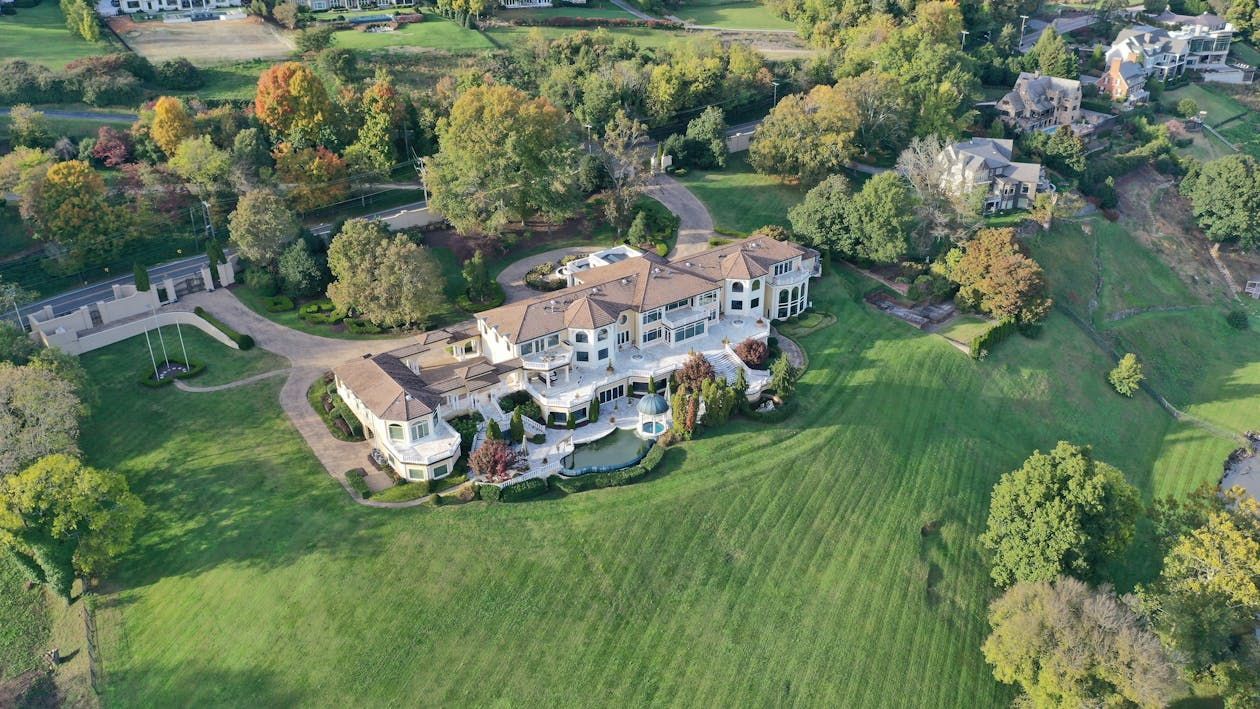
Tennessee has been one of the top relocation destinations in the United States for the past five years — and 2026 is no different. The combination of no state income tax, a cost of living below the national average, a diverse housing market, and a booming economy continues to draw families, remote workers, retirees, and professionals from states like California, New York, Illinois, and Florida.
But moving to Tennessee from out of state isn't just about cheaper rent. The housing market, tax structure, school systems, and cultural landscape all work differently than what you may be used to. This guide covers the real, practical considerations — not just the marketing brochure version — so you can make an informed decision.
Tracy King, CEO of Your Home Sold Guaranteed Realty — Kings of Real Estate, has helped thousands of out-of-state buyers relocate to Tennessee. "The number one mistake we see is people assuming Tennessee is just a cheaper version of where they came from," says Tracy. "It's not — it's a fundamentally different market, and the buyers who do their homework are the ones who find the best deals."
Why People Are Moving to Tennessee in 2026
According to the U.S. Census Bureau and moving industry data, Tennessee has been a net-positive migration state since 2019. Nashville alone has added over 100 residents per day on average in recent years. But the pull isn't limited to Music City. Knoxville, Chattanooga, the Tri-Cities, and the Smokies region are all seeing significant inbound migration.
The top reasons people cite for relocating to Tennessee:
- No state income tax. Tennessee is one of only 8 states with no income tax on wages or salary. This means your paycheck goes further from day one.
- Lower cost of living. Tennessee's cost of living index is approximately 10-12% below the national average. Housing, groceries, and healthcare all trend cheaper than coastal metros.
- Housing affordability. The statewide median home price is approximately $385,000 in 2026 — compared to $790,000 in California and $430,000 nationally.
- Job market growth. Nashville's healthcare, tech, and finance sectors are expanding rapidly. Knoxville benefits from the University of Tennessee, Oak Ridge National Laboratory, and a growing logistics sector. Chattanooga's municipal fiber-optic internet has made it a tech startup hub.
- Quality of life. Four mild seasons, access to the Great Smoky Mountains, dozens of state parks, low crime in most suburban and rural areas, and a culture that values community.
Understanding Tennessee's Tax Landscape
Tax savings are often the single biggest motivator for out-of-state movers. Here's what you need to know:
Income Tax
Tennessee has no state income tax on wages, salaries, or earned income. This applies immediately upon establishing residency. If you're moving from a state like California (top marginal rate 13.3%), New York (10.9%), or Illinois (4.95%), the savings can be substantial — potentially tens of thousands of dollars annually for high earners.
Sales Tax
Tennessee's combined state and local sales tax rate averages 9.55%, one of the highest in the nation. The state rate is 7%, and local municipalities add 1.5%–2.75%. Groceries are taxed at a reduced rate of 4%. This is the trade-off for no income tax — the state funds services through consumption taxes.
Property Tax
Tennessee's property tax rates are relatively low compared to national averages. Residential property is assessed at 25% of appraised value, then taxed at the local rate. Rates vary significantly by county:
- Williamson County: ~$0.29/100 assessed value (one of the lowest)
- Knox County: ~$1.55/100 assessed value
- Davidson County (Nashville): ~$3.254/100 assessed value
- Hamilton County (Chattanooga): ~$2.14/100 assessed value
If you're coming from a state like New Jersey (average effective rate 2.23%), Texas (1.80%), or Illinois (2.07%), you'll likely see a significant reduction in property tax burden in Tennessee.
Tennessee's Major Housing Markets — A Quick Comparison
Tennessee isn't one market — it's at least five distinct ones. Here's how they compare in 2026:
Nashville Metro (Davidson, Williamson, Rutherford, Wilson, Sumner)
- Median home price: $450,000–$500,000
- Best for: Professionals, executives, healthcare/music/tech workers, families wanting top schools (Williamson County)
- Character: Urban core with sprawling suburbs, heavy traffic, fastest-growing city in the Southeast
- Watch out for: Rising property taxes, competitive bidding in desirable zip codes, sprawl making commutes longer
Knoxville Metro (Knox, Blount, Loudon, Anderson)
- Median home price: $310,000–$340,000
- Best for: University-connected professionals, outdoor enthusiasts, families, investors
- Character: College town energy, Smoky Mountain access, lower cost than Nashville, growing tech/healthcare
- Watch out for: Fewer high-paying corporate HQ jobs than Nashville, some areas are flood-prone
Chattanooga Metro (Hamilton, Bradley)
- Median home price: $290,000–$320,000
- Best for: Tech workers, remote workers, outdoor lovers, families wanting mid-size city feel
- Character: Revitalized downtown, EPB municipal fiber internet, outdoor recreation capital
- Watch out for: Limited job diversity outside tech/healthcare/manufacturing, traffic bottlenecks
Tri-Cities (Johnson City, Kingsport, Bristol)
- Median home price: $250,000–$290,000
- Best for: Retirees, remote workers, budget-conscious families, those wanting small-city living
- Character: Affordable, mountain scenery, slower pace, strong healthcare (Ballad Health system)
- Watch out for: Limited job market, further from major airports, some areas economically depressed
Smokies Region (Sevier, Cocke counties)
- Median home price: $350,000–$500,000+ (highly variable, especially cabins)
- Best for: Vacation rental investors, retirees, tourism industry workers
- Character: Tourism-driven economy, mountain cabins, seasonal fluctuations
- Watch out for: Inflated prices from STR demand, wildfire risk, crowded tourist corridors
What Out-of-State Buyers Need to Know About Buying in Tennessee
1. Tennessee Is an Attorney-Optional State
Unlike New York or Connecticut, Tennessee does not require an attorney at closing. Title companies handle most residential closings. However, if you're buying a complex property (large acreage, subdivisions, commercial), an attorney is still recommended.
2. Get Pre-Approved Before You House Hunt
Tennessee sellers prioritize pre-approved buyers — especially in competitive Nashville-area markets. If you're self-employed or have out-of-state income, start the mortgage process early. Tennessee doesn't have unusual lending requirements, but local lenders understand the market better than national banks.
3. Home Inspections Are Standard but Not Required
Tennessee law doesn't require a home inspection, but every buyer should get one. Key things to check in Tennessee homes: foundation issues (clay soil in Middle Tennessee), radon levels (Tennessee has some of the highest radon concentrations in the U.S.), termite damage, and HVAC condition (systems work hard in Tennessee's hot summers).
4. Establishing Residency
To establish Tennessee residency, you'll need to: update your driver's license within 30 days of moving, register your vehicle in Tennessee (county clerk's office), register to vote, and update your address with the USPS. There's no waiting period for property tax homestead exemptions — you can apply as soon as you close on your primary residence.
5. The Transfer Tax
Tennessee charges a real estate transfer tax of $0.37 per $100 of purchase price (paid by the buyer unless negotiated otherwise). On a $400,000 home, that's $1,480. It's a one-time cost at closing that out-of-state buyers sometimes overlook.
Cost of Living Reality Check
Tennessee is cheaper than most coastal states, but it's not universally cheap. Here's an honest breakdown:
- Housing: 15-25% cheaper than national average (varies by metro)
- Groceries: About 5% below national average
- Utilities: TVA (Tennessee Valley Authority) keeps electricity rates competitive — average electric bill around $130-150/month
- Healthcare: Slightly below national average, with major hospital systems in all metros
- Auto insurance: Tennessee rates are slightly above the national average (~$1,800/year average) due to high uninsured motorist rates
- Childcare: Varies widely — $900-$1,500/month depending on location and type
For comprehensive insurance planning when relocating, All Seasons Insurance Group at (865) 263-1400 specializes in helping out-of-state movers bundle homeowners, auto, and umbrella coverage with Tennessee-specific carriers.
Schools — A Huge Variable by County
Tennessee's school quality varies dramatically by district. This is one of the most important research areas for families moving from states with more uniform school systems.
Top-rated districts (Niche 2025-2026 rankings):
- Williamson County Schools — A+, #1 in Tennessee
- Maryville City Schools — A+, Blount County
- Oak Ridge City Schools — A, Anderson County
- Johnson City Schools — A, Washington County
- Knox County Schools — B+, largest district in East Tennessee
Tennessee also has a growing network of charter schools and a statewide school voucher program in select counties. Research your specific district before choosing a neighborhood — the difference between an A-rated and a C-rated district can be just one zip code apart.
Climate and Weather
Tennessee experiences four distinct seasons — which is a selling point for buyers from Florida or the Southwest who miss fall foliage and actual winters. But set realistic expectations:
- Summers are hot and humid. July-August averages in the low 90s°F with high humidity. Not quite Gulf Coast level, but enough to make air conditioning a non-negotiable.
- Winters are mild but variable. Expect lows in the 30s with occasional ice storms. Nashville sees light snowfall; the Smokies get heavier snow at elevation. Tennessee does NOT have the infrastructure for heavy winter weather — a 2-inch snowfall can shut roads down.
- Tornado season is real. Tennessee is in a secondary tornado alley. Spring (March-May) brings severe weather. Make sure your homeowners insurance includes wind and hail coverage with appropriate limits.
- Fall is spectacular. October-November in Tennessee is genuinely beautiful — especially in the Smokies and the Cumberland Plateau.
Job Market and Remote Work
Tennessee's job market is diversified across several metros:
- Nashville: Healthcare (HCA, Vanderbilt), music/entertainment, finance (AllianceBernstein), tech (Amazon, Oracle), hospitality
- Knoxville: University of Tennessee, Oak Ridge National Laboratory, Pilot/Flying J, Regal Cinemas (corporate), healthcare
- Chattanooga: Volkswagen manufacturing, tech startups (fueled by EPB fiber), insurance, logistics
- Tri-Cities: Ballad Health, Eastman Chemical, education, manufacturing
If you're a remote worker, Tennessee's no-income-tax advantage is a major draw. Many California and New York tech workers have relocated to Tennessee specifically to keep coastal salaries while paying no state income tax. Nashville and Chattanooga have particularly strong coworking and remote work infrastructure.
Frequently Asked Questions About Moving to Tennessee
Is Tennessee a good state to move to in 2026?
Tennessee consistently ranks among the top 5 inbound relocation states in the U.S. The combination of no state income tax, affordable housing relative to coastal markets, strong job growth, and quality of life makes it one of the best value propositions for families, professionals, and retirees in 2026.
What are the downsides of living in Tennessee?
The most commonly cited downsides include: high sales tax rates (averaging 9.55%), tornado and severe weather risk, variable school quality by district, limited public transit outside downtown Nashville, and hot, humid summers. Healthcare access in rural areas can also be limited.
How much money do you need to move to Tennessee?
Budget approximately $15,000–$25,000 for moving costs, initial deposits, and settling-in expenses, not including your home purchase. This covers a cross-country move ($5,000–$10,000), utility deposits, vehicle registration, license transfer, and 2-3 months of overlap expenses.
Which Tennessee city is best for families?
For top schools: Franklin or Brentwood (Williamson County Schools, rated A+). For affordability with good schools: Maryville or Johnson City. For a balance of career opportunities and family life: Knoxville or Nashville suburbs. Each has distinct trade-offs between school quality, commute, and cost.
Do I need to change my driver's license when I move to Tennessee?
Yes. Tennessee law requires new residents to obtain a Tennessee driver's license within 30 days of establishing residency. Visit your county clerk's office with your out-of-state license, proof of Tennessee residency, and proof of U.S. citizenship or lawful status. The fee is approximately $32.
You Might Also Like
- Living in Nolensville, TN: The Complete Guide to Moving Here in 2026
- Preparing Your Tennessee Home for Sale: The Complete 2026 Seller's Checklist
- Living in Maryville, TN: A Complete Guide for 2026
FREE GUIDE
✅ 10 Questions to Ask Before You Hire an Agent
Not all agents are created equal. Before you sign anything, make sure you ask these 10 critical questions.
Subscribe & Get Your Free Copy →Join our free newsletter — we'll send it straight to your inbox.
6,000+ Homes Sold · 45,000+ VIP Buyers · 9/10 Clients Give 5 Stars
📞 (865) 800-0464 · kingsofrealestate.com
*Tracy and seller must agree on price and possession date