Living in Gatlinburg, TN — 2026 Guide
Gatlinburg sits at the doorstep of Great Smoky Mountains National Park, drawing families, remote workers, and investors alike. This 2026 guide covers home prices, neighborhoods, schools, short-term rental data, and everything else you need to decide whether Sevier County's most iconic town is...

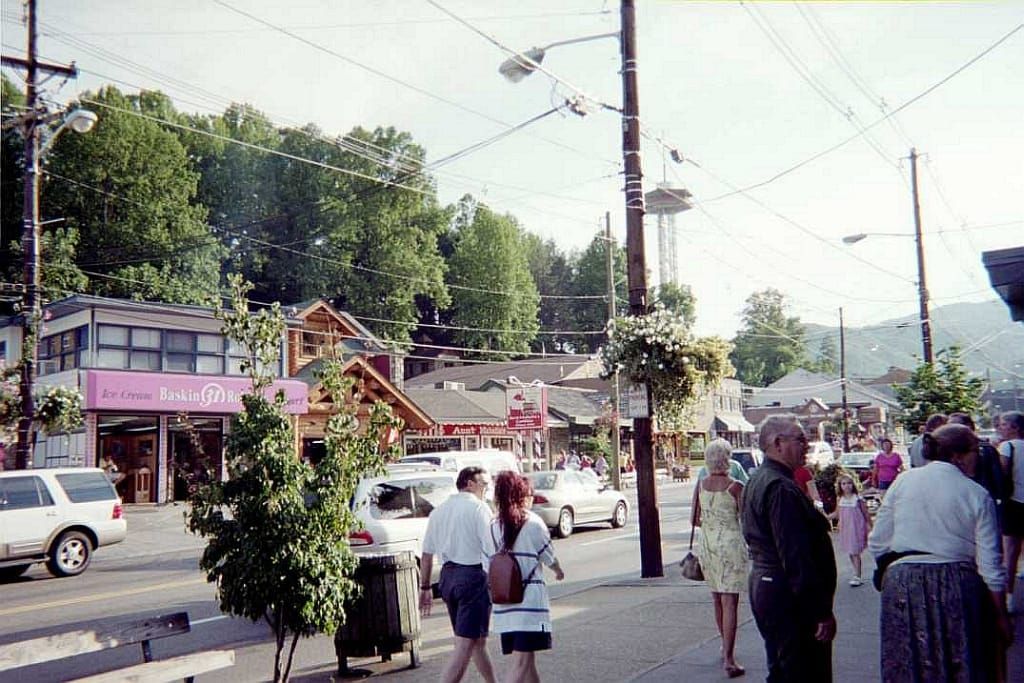
Gatlinburg sits at the doorstep of Great Smoky Mountains National Park, drawing families, remote workers, and investors alike. This 2026 guide covers home prices, neighborhoods, schools, short-term rental data, and everything else you need to decide whether Sevier County’s most iconic town is the right fit for your next chapter.

Why People Are Moving to Gatlinburg
A mountain town of roughly 4,000 permanent residents, Gatlinburg consistently punches above its weight. The national park next door delivers year-round foot traffic, a thriving short-term rental economy, and scenery that very few American cities can match. Tennessee’s absence of a state income tax and Sevier County’s low effective property tax rate make the financial math attractive for remote workers and retirees alike. Add the emerging creative economy centered on the Great Smoky Arts & Crafts Community and a genuine small-town character that persists despite millions of annual visitors, and Gatlinburg offers a lifestyle that full-time residents describe as genuinely livable.
The city sits inside East Tennessee’s Appalachian foothills, within an hour of Knoxville’s urban amenities, hospital systems, and the University of Tennessee. That proximity without the urban price tag is an increasingly common driver for relocation decisions across the region.
Gatlinburg Real Estate Market: 2026 Data Snapshot
The Gatlinburg housing market in 2026 reflects a broader cooling from the post-pandemic surge, with buyer-friendly conditions emerging across several price tiers. The figures below draw from Redfin, Zillow, and Realtor.com.
| Metric | Gatlinburg City | Sevier County | YoY Change |
|---|---|---|---|
| Median Sale Price | $483,000 | $625,000 | -7.7% / -7.4% |
| Zillow Home Value Index | $396,000 | — | -9.4% |
| Median Listing Price | $615,000–$630,000 | $625,000 | — |
| Price per Sq Ft | $384 | $354 | -5.1% |
| Median Days on Market | 112 days | 106 days | Flat / +1.9% |
| Active Listings (City) | 536 | 2,610 | +16.9% / +14.3% |
| Sale-to-List Ratio | ~95% | 97% | Buyer-leaning |
| New County Listings (Feb 2026) | — | 368 | Expanding inventory |
Sources: Redfin (March 2026 data), Zillow (Dec 2025 ZHVI), Realtor.com (Sevier County report). Median sale figures reflect completed transactions; listing prices reflect active inventory.
The gap between listing prices and sale prices is meaningful: buyers are routinely negotiating homes to 4-5% below asking, a stark reversal from the frenzied conditions of 2021-2022. Rising inventory gives well-prepared buyers genuine leverage, particularly on properties that have sat on the market for 90-plus days.
Property Taxes in Sevier County
Tennessee’s assessment structure is one of the most favorable in the Southeast for homeowners. The state requires that residential properties be appraised at fair market value, then taxed on only 25% of that appraised amount. Sevier County’s 2024 tax rate was $1.48 per $100 of assessed value.
Here is how the math works on a representative purchase:
- Purchase price: $480,000
- Assessed value (25% of market): $120,000
- County tax at $1.48 per $100: $1,776 per year
- Effective rate on market value: approximately 0.37%
That figure sits far below the national median effective rate of 1.02%, according to Ownwell’s analysis. Properties within city limits may carry an additional municipal millage; verify the full levy for any specific parcel before closing. Tennessee also has no state income tax, which compounds the tax advantage for residents leaving higher-tax states.
Gatlinburg Neighborhoods: Where Residents Actually Live
The city divides naturally into a handful of distinct zones, each with its own price range, character, and practical trade-offs for full-time residents.
Downtown Corridor
The half-mile stretch of the Parkway that most visitors picture when they think of Gatlinburg is also home to condos, townhomes, and older cottages tucked behind the commercial strip. Living downtown means walking distance to restaurants, the Gatlinburg SkyLift Park, and the trail entrances at the edge of Great Smoky Mountains National Park. The trade-off is heavy seasonal foot traffic and noise from late spring through early winter. Condos in complexes like Baskins Creek Bypass offer two-bedroom units in the $320,000-$480,000 range with strong short-term rental track records — comparable units have documented gross rental income in the $40,000-$50,000 range annually.
Ski Mountain Road / Chalet Village
Rising above downtown toward Ober Gatlinburg, Ski Mountain Road is home to Chalet Village, one of the most recognizable residential communities in East Tennessee. A-frame chalets, log cabins, and mountain cottages occupy steep, wooded lots with long-range views. The area sits minutes from downtown yet feels removed from tourist congestion. Three-bedroom renovated cabins in Chalet Village have listed in the $650,000-$750,000 range with strong STR performance. Chalet Village HOA maintains community pools and tennis courts. This corridor is well-suited to buyers who want the mountain-cabin lifestyle with practical access to town.
Baskins Creek
The Baskins Creek area lies just north of downtown, following the creek corridor toward quieter residential streets. It attracts full-time families and retirees who value walkability to downtown without being directly in the tourist zone. Single-family homes here range widely, with entry-level properties available below $400,000 and upgraded mountain homes on creek-fronting lots pushing well above $900,000. The Baskins Creek Bypass connects residents efficiently to U.S. 441 and the Gatlinburg Bypass for commuters.
Mynatt Park Area
Mynatt Park sits roughly one mile from downtown along LeConte Creek and serves as a neighborhood anchor for families seeking a quieter residential feel. The park itself features paved walking trails, picnic areas, and serves as a memorial to the 2016 wildfire that reshaped parts of the community. Homes in the surrounding streets are among the most affordable in the city limits, often attracting buyers looking for primary residences rather than STR investments.
Great Smoky Arts and Crafts Community
Three miles east of downtown along Glades Road and Buckhorn Road, the Great Smoky Arts and Crafts Community forms an 8-mile loop of over 80 independent artists, potters, woodworkers, and craftspeople — the largest independent artisan organization in the United States, established in 1937. Homes and small properties scattered through this corridor offer a rural-residential character distinct from the cabin-resort atmosphere closer to town. For residents who prize a creative community and quieter surroundings, this is one of the most distinctive pockets of Gatlinburg real estate.
Great Smoky Mountains National Park: Gateway Living
Gatlinburg is the eastern gateway to Great Smoky Mountains National Park, the most-visited national park in the country. The park drew 11.5 million visits in 2025, making it the anchor of one of the Southeast’s most powerful tourism economies. For residents, this translates to remarkable recreational access — over 800 miles of hiking trails, abundant wildlife, waterfalls, and old-growth forest — all accessible without a vehicle fee or reservation for most trailheads.
Daily life benefits include trail systems that extend from the edge of downtown, access to the Alum Cave Trail, Laurel Falls, and Clingmans Dome within a short drive, and the cultural programming hosted by the park’s visitor centers. The park’s presence also buffers the city from the sprawl that has consumed nearby Pigeon Forge and keeps Gatlinburg’s development footprint contained.
Short-Term Rental Market
The STR economy is inseparable from Gatlinburg real estate. AirROI’s 2026 dataset shows approximately 3,554 active Airbnb listings in Gatlinburg generating average annual revenue of $53,494 per property, at an average daily rate of $367 and an occupancy rate of 44.4%. RevPAR (revenue per available room-night) sits at $167.
The STR market here rewards bedroom count and amenities. December 2025 transaction data shows one-bedroom STRs selling in the $420,000-$460,000 range, while six-bedroom-plus properties in Gatlinburg averaged over $1.7 million in sale price. Buyers entering this market should factor in STR management fees (typically 20-30% of gross revenue), HOA rules, and any city permitting requirements alongside purchase price and carrying costs.
For buyers primarily seeking a primary residence who want to offset costs with occasional short-term rentals, properties in Chalet Village and the Baskins Creek corridor offer a practical blend of livability and rental income potential. The team at Appalachian STR Investment Group (ASIGTN) provides market-specific analysis for buyers evaluating income properties in the Smokies region.
Cost of Living in Gatlinburg
Gatlinburg’s overall cost of living runs slightly below the U.S. average despite its tourist-driven economy. Salary.com estimates total monthly costs at approximately $2,251 for a single adult and $4,956 for a family of four in 2026, roughly 9% below U.S. averages. Key cost factors for residents:
- Housing: Median home values have corrected from pandemic peaks, offering a more accessible entry point. Renters face limited inventory, with Realtor.com showing only 9 rental listings in Gatlinburg and a median rent near $2,750/month.
- Sales tax: Sevier County’s combined state and local sales tax runs approximately 9.75% on most purchases. This is the most significant tax burden for everyday residents.
- No state income tax: Tennessee does not levy a personal income tax on wages, a meaningful advantage over most states.
- Groceries and utilities: Both track near or slightly below national averages. Propane heat is common in mountain cabins and adds variability to winter utility bills.
- Healthcare: Residents typically access primary care and specialist services through the Knoxville market, approximately an hour away. LeConte Medical Center in Sevierville handles emergency and routine hospital needs locally.
Schools in Gatlinburg
Gatlinburg is served by the Sevier County School System, which operates 33 schools countywide serving over 14,000 students. Within the city and its immediate surroundings:
- Pi Beta Phi Elementary School (PreK-6): Located at 125 Cherokee Orchard Road, it carries a GreatSchools rating of 7 out of 10 and maintains a low 10:1 student-to-teacher ratio with 314 students enrolled.
- Gatlinburg-Pittman Junior High: Serves grades 7-9 with 418 students at a 12:1 ratio.
- Gatlinburg-Pittman High School: Rated 8 out of 10 by GreatSchools, serving approximately 401 students at a 12:1 student-to-teacher ratio. The school’s small size supports strong extracurricular participation and personalized instruction.
Private options within the county include The King’s Academy (463 students), Christian Academy in the Smokies, and Seymour Community Christian School. Families moving from larger metro areas generally find the smaller class sizes and community-oriented culture a positive adjustment.
Jobs and Economy
Gatlinburg’s employment base is anchored in hospitality, tourism, retail, and outdoor recreation. Major employers include Ober Gatlinburg ski resort and amusement park, Anakeesta, Dollywood (in adjacent Pigeon Forge), and a dense concentration of restaurants, hotels, and attraction operators. The city’s economy is seasonal but resilient — the fall foliage and winter holiday seasons have grown significantly as travel draws, extending revenue beyond summer peaks.
Remote workers represent a growing segment of the resident population. High-speed internet is available throughout most of the city, and the combination of natural setting, low tax burden, and relative affordability compared to coastal metros has made Gatlinburg an increasingly viable home base for location-independent professionals.
Residents who commute to Knoxville for professional employment in healthcare, higher education, or manufacturing face a 34-35 mile drive via U.S. 441, typically 55-75 minutes outside peak tourist season. The Gatlinburg Bypass helps locals skip the Parkway congestion when exiting toward I-40.
Meet Tracy King: East Tennessee Real Estate Specialist
Tracy King is the founder of Your Home Sold Guaranteed Realty — Kings of Real Estate, serving buyers and sellers across East Tennessee. Tracy and her team specialize in helping clients navigate both the primary-residence and investment-property markets in Sevier County and the surrounding Smoky Mountain corridor. With a track record built on data-driven pricing, honest market analysis, and a guaranteed sale program, Tracy’s approach is designed to remove the uncertainty that too often defines real estate transactions in resort and mountain markets. Whether you are relocating from out of state, upgrading from a cabin to a family home, or evaluating a short-term rental acquisition, the Kings of Real Estate team brings local expertise and quantifiable results to every transaction.
Is Gatlinburg Right for You?
Gatlinburg suits a specific type of buyer particularly well: someone who values natural surroundings and outdoor access above urban density, who can either work remotely or is willing to commute to Knoxville, and who is drawn to a tight-knit community with a distinctive character shaped by Appalachian heritage and tourism economics. The STR market adds a layer of opportunity unavailable in most residential markets — but it also shapes the inventory mix, pushing listing prices higher than traditional residential comparables would suggest.
The 2026 market presents one of the better entry windows since the pre-pandemic years. Inventory is up, days on market have extended, and sellers are accepting offers below asking price on properties that previously moved in days. For buyers who have done their homework on neighborhoods, tax implications, and rental income assumptions, that combination creates genuine opportunity in a market that rarely offers patient buyers this kind of leverage.
Frequently Asked Questions About Living in Gatlinburg, TN
What is the median home price in Gatlinburg, TN in 2026?
As of early 2026, Redfin reports a Gatlinburg median sale price of approximately $483,000, down about 7.7% year over year. Zillow’s Home Value Index for the city sits near $396,000. Listing prices on Realtor.com cluster around $615,000 to $630,000, reflecting the heavy mix of cabin and investment-grade properties. Buyers targeting primary residences rather than STR-optimized cabins often find more modest price points in the $350,000-$450,000 range.
How are property taxes calculated in Sevier County, TN?
Tennessee assesses residential property at 25% of its appraised market value. Sevier County’s 2024 tax rate was $1.48 per $100 of assessed value. On a $480,000 home, the assessed value would be $120,000, producing an annual county tax bill of approximately $1,776 before any municipal or special-district add-ons. The effective rate is well below the national average — Ownwell calculates the median effective rate in Sevier County at 0.37%.
Is Gatlinburg a good place to buy a short-term rental property?
Gatlinburg remains one of the strongest STR markets in the Southeast. AirROI’s 2026 dataset shows average annual revenue of $53,494 per listing, a $367 average nightly rate, and a 44.4% occupancy rate across roughly 3,554 active Airbnb listings. Entry-level one-bedroom STRs traded in the $420,000-$460,000 range in late 2025, while six-bedroom-plus properties averaged over $1.7 million. Buyers should verify current city and county STR permitting requirements before purchase.
What schools serve Gatlinburg, TN?
Gatlinburg is served by Sevier County Schools. Pi Beta Phi Elementary School (PreK-6) sits at 125 Cherokee Orchard Road in Gatlinburg itself. Gatlinburg-Pittman Junior High feeds into Gatlinburg-Pittman High School, which carries a GreatSchools rating of 8 out of 10 and enrolls roughly 401 students at a 12:1 student-to-teacher ratio. The district also includes several private options such as The King’s Academy and Christian Academy in the Smokies.
How far is Gatlinburg from Knoxville?
Gatlinburg is approximately 34-35 miles southeast of Knoxville via U.S. 441. The drive typically takes 55-75 minutes depending on traffic and season. During peak tourist seasons, congestion on the Parkway can extend that commute. Residents who work in Knoxville often time their trips outside peak visitor hours or use the Gatlinburg Bypass to reach I-40 more efficiently.
Your Home Sold Guaranteed or I'll Buy It!*
Here's what separates Tracy King and the Kings of Real Estate from every other team: a written, contractual guarantee that your home will sell — or Tracy buys it himself.
With over 6,000 homes sold across Tennessee and a database of 45,000+ active buyers, the Kings of Real Estate don't just list homes — they market them to win.
Ready to Make Your Move in Gatlinburg?
Call or text Tracy King directly at 865-365-2280.
Whether you're buying, selling, or investing in Gatlinburg — get the team that guarantees results, not promises.
FREE GUIDE
✅ 10 Questions to Ask Before You Hire an Agent
Not all agents are created equal. Before you sign anything, make sure you ask these 10 critical questions.
Subscribe & Get Your Free Copy →Join our free newsletter — we'll send it straight to your inbox.
*Tracy and seller must agree on price and possession date
⭐ 760+ Five-Star Reviews on Google · 👍 Follow Us on Facebook