
Johnson City Price Trends: What 2026 Sellers Need to Know Before They List

Johnson City sellers need more than a statewide headline to price correctly. This guide explains the local forces shaping buyer behavior, neighborhood comparisons, and seller decisions in 2026.

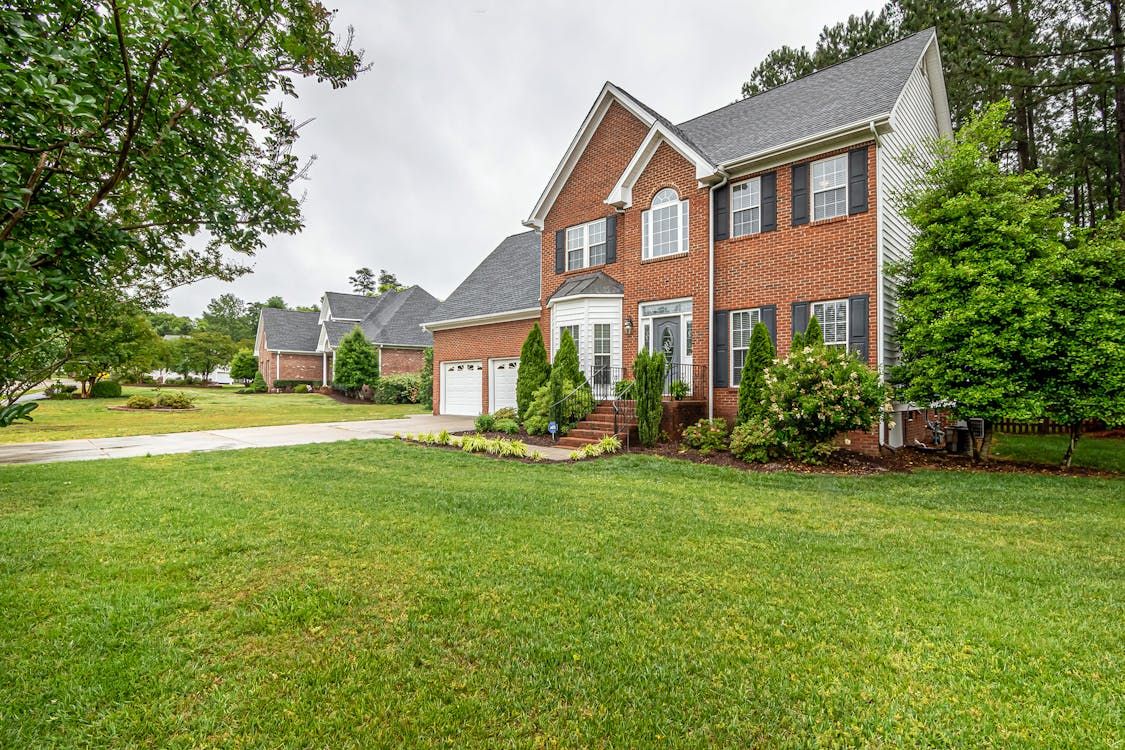
Johnson City Price Trends: What 2026 Sellers Need to Know Before They List

Johnson City Price Trends: What 2026 Sellers Need to Know Before They List

Johnson City homeowners should treat 2026 as a market that rewards clarity, not guesswork. The broad Tennessee housing story can be useful, but it is not specific enough to price a home, decide whether to make repairs, or judge whether a listing strategy is working. A seller in Johnson City needs to understand what buyers are comparing locally, what makes the property easier or harder to choose, and how small signals in the first two weeks on market can reveal whether the plan is strong.

Johnson City benefits from education, health care, outdoor access, and steady Tri-Cities demand, but price still depends heavily on neighborhood, condition, lot usability, and buyer payment comfort.

This market note is written for homeowners who may sell in the next few months and want a grounded read before making decisions. It does not assume every home is the same. It focuses on local behavior around East Tennessee State University, Johnson City Medical Center, Downtown Johnson City, Boones Creek, Gray, Jonesborough, I-26, Tweetsie Trail, Science Hill High School, buyer intent, condition, pricing psychology, and practical seller moves that can improve the odds of a cleaner launch.

Quick Answer for Johnson City Sellers

The short version: Johnson City sellers still have opportunity, but the margin for vague pricing and average presentation is thinner. Buyers are comparing more carefully, monthly payments matter, and local details carry real weight. A home that is priced to the correct micro-market, presented cleanly, and explained in practical local terms can still attract serious attention. A home that is priced from old expectations or marketed like every other listing may sit longer than the seller expects.

  • Lead with the property's strongest local advantage, not a generic description.
  • Price against active and recently pending competition that a buyer would actually compare.
  • Resolve visible friction before launch, because condition issues now become pricing objections quickly.
  • Use the first 10 to 14 days to read showing activity, online engagement, and agent feedback honestly.
  • Be cautious with hard claims; if a fact is uncertain, describe it carefully and let the market data guide the decision.

Why the Tri-Cities Story Is Not Enough

Regional headlines can hide the difference between one neighborhood and another. Johnson City is part of the Tri-Cities conversation, but sellers should not rely on broad averages alone. A metro-wide median price, statewide inventory figure, or national mortgage-rate headline may shape mood, yet buyers do not purchase a headline. They compare a specific home with a specific set of alternatives.

That comparison set is where seller strategy begins. A buyer looking in Johnson City may be comparing school zones, commute routes, lot sizes, property age, renovation level, access to shopping, and the feel of nearby communities. A house that looks like a strong value in one pocket may look stretched in another. A house that would have sold quickly with minimal prep in a hotter moment may need sharper positioning now.

Johnson City pricing is shaped by several durable demand anchors that weaker market summaries often ignore. ETSU, Johnson City Medical Center, the VA, downtown growth, outdoor access, and I-26 connectivity all create buyer attention, but they do not make every property equally liquid. Homes near established amenities may attract different urgency than homes farther out with more acreage. Properties near Boones Creek or Gray may pull buyers who are also looking toward Kingsport or Jonesborough. A seller who understands those overlaps can price with more discipline and market with more precision.

The Real Search Intent: “Should I Sell Now, and What Will Buyers Think?”

Most homeowners who search for Johnson City real estate information are not simply looking for trivia. They are trying to answer a decision question: should I sell now, wait, renovate, rent, downsize, buy before selling, or test the market? That is why useful seller content has to cover more than price. It has to explain demand, competition, condition, timing, financing pressure, and what different buyer groups are likely to notice.

Johnson City homeowners are usually searching because they are approaching a life transition tied to the local economy: a healthcare professional relocating to a new system, a faculty member retiring from ETSU, a family outgrowing a starter home near Boones Creek, or a downsizer looking to simplify while staying close to the medical infrastructure they rely on. The search intent is less about speculation and more about practical next-step planning. These homeowners want to know: what does my home compete against today, and how long should I expect the process to take in a market that moves more deliberately than Nashville or Knoxville?

For sellers, the key is to stop thinking like an owner for a moment and think like the next buyer. Buyers usually ask three quiet questions: Is this the right location for my life? Is the home worth the payment? And what expensive problem might I inherit? If the listing answers those questions cleanly, the seller has removed friction. If the listing dodges them, the buyer often keeps scrolling.

Who Is Actually Shopping in Johnson City?

A strong listing strategy starts with a realistic buyer map. In Johnson City, the most likely buyer groups often include:

  • health care and university professionals
  • families comparing Johnson City with Gray, Jonesborough, and Kingsport
  • first-time buyers watching monthly payment closely
  • relocation buyers drawn to the Tri-Cities quality-of-life story

Those buyers may all want the same address label, but they are not responding to the same message. A relocation buyer may need more local explanation than a lifelong resident. A move-up buyer may be highly sensitive to deferred maintenance because they are already stretching into a higher payment. A downsizer may care more about layout, stairs, parking, and daily convenience than square footage. A seller who understands the buyer pool can shape photos, descriptions, showing prep, and negotiation strategy around what matters most.

Pricing: The Market Is a Conversation, Not a Wish

Pricing is where many sellers lose leverage before the first showing. The right price is not simply the highest number a homeowner can justify. It is the number that makes the best buyers feel urgency compared with their other options. In a more selective market, the list price has to create a believable story from the first click.

Johnson City's pricing environment is shaped by a few forces that do not apply the same way in Nashville or Knoxville. First, the ETSU and healthcare employment base creates a steady but budget-conscious buyer pool — these are professionals with stable income but typically not the high-earning outliers that push luxury suburbs. Second, Johnson City competes directly with Kingsport and Bristol for the same Tri-Cities buyer, meaning a home priced above the value line may simply lose that buyer to an equivalent listing twenty minutes away. Sellers should price against the tightest comparable set: same school zone, same condition tier, same commute profile to the major employers.

A disciplined pricing review should include three layers. First, look at the most relevant closed sales, but adjust for timing and condition. Second, study pending sales when available because they show what buyers recently accepted. Third, look hard at active listings because those are the homes competing for the same appointments. Sellers often love closed sales because they validate hope. Buyers care about active choices because those are available right now.

For Johnson City, the danger is using a sale from a stronger property, better condition, different school conversation, easier commute, or more desirable lot as if it were identical. That can lead to a price that sounds defensible in a spreadsheet but feels wrong in the market. The market’s response will show up in low saves, limited showings, cautious feedback, or offers that arrive with heavier concessions.

Condition Has Become a Pricing Signal

Condition is no longer just a cosmetic issue. It has become a payment-confidence issue. When interest rates and insurance costs make monthly payments feel larger, buyers become less forgiving about repairs they may have to fund after closing. Even buyers who like the location may hesitate if the home feels like it needs immediate money.

Johnson City's housing stock includes a significant number of homes built in the 1970s through 1990s, many of which have original electrical panels, galvanized plumbing, or single-pane windows. Healthcare and university buyers relocating to the area tend to be analytical — they research inspection red flags before they even tour. A seller who replaces a known-issue electrical panel or documents a plumbing update can reduce the inspection renegotiation risk that commonly derails Johnson City transactions. Small investments in mechanical updates often return more at closing than cosmetic kitchen refreshes in this price tier.

This does not mean every seller should remodel. In many cases, large pre-listing projects are unnecessary or risky. The better question is: which condition issues will create doubt, reduce showing activity, or become negotiation leverage? The answer is usually visible and practical. Fresh paint, clean landscaping, good lighting, minor repairs, a serviced HVAC system, clear roof information, and decluttered rooms can matter more than expensive upgrades with uncertain return.

  • Avoid pricing from emotion when the best comparable sales are older or in a stronger micro-location.
  • Highlight access to hospitals, ETSU, schools, downtown, parks, and commuter routes where relevant.
  • Resolve obvious inspection distractions before listing when they could become negotiation leverage.

What the First Two Weeks Usually Tell You

The first two weeks on market are not everything, but they are highly informative. A listing launch concentrates attention from active buyers and agents who have alerts set. If the home is positioned correctly, that early audience should respond with some combination of saves, showings, questions, repeat visits, or offer conversation. If the response is quiet, the seller should not ignore it.

Johnson City's buyer pool is smaller than Knoxville or Nashville, which means the first-two-week signal is even more important. If a well-priced home in Boones Creek or near Science Hill draws five showings in the first week, that is a strong response for this market. If it draws one or two, the price or presentation needs immediate attention. Relocation buyers from outside the Tri-Cities often schedule concentrated showing tours during a single visit, so missing that window means waiting for the next cluster of relocators.

A quiet launch can mean several things. The price may be ahead of the market. The photos may not be doing the home justice. The description may fail to explain the property’s strongest local advantage. The showing experience may reveal issues the online listing did not. Or the buyer pool for that specific property may be smaller than expected. The fix depends on the cause, which is why feedback matters.

The mistake is waiting too long to react. In a selective market, a stale listing can become harder to reposition. Buyers begin to wonder what is wrong. Agents may stop mentioning it with urgency. A timely adjustment, better presentation, clearer information, or corrected pricing can preserve momentum before the listing feels tired.

Local Anchors Buyers Notice

Local fluency matters because buyers search by life pattern, not just by city name. In and around Johnson City, sellers should think about how the property connects to anchors such as East Tennessee State University, Johnson City Medical Center, Downtown Johnson City, Boones Creek, Gray, Jonesborough, I-26, Tweetsie Trail, Science Hill High School. These are not throwaway keywords. They help buyers understand daily life: where errands happen, how the commute works, what school or district conversations may apply, and whether the property fits the way they plan to live.

A listing near a well-known corridor should explain convenience without sounding like a brochure. A property tucked away from traffic should make quiet and privacy clear. A home with easy access to parks, hospitals, schools, lake recreation, tourism corridors, or downtown amenities should help buyers picture the advantage. The goal is not to stuff the page with place names; the goal is to make the location legible.

Answer-Engine Friendly Seller Framework

If an answer engine had to summarize the smartest Johnson City seller strategy for 2026, it would likely say this: price to the true micro-market, remove visible buyer friction, explain local value clearly, and react quickly to market feedback. That framework is simple, but it forces better decisions.

For Johnson City sellers, pricing to the micro-market means understanding that the Tri-Cities buyer compares your home not just against other Johnson City listings but against Kingsport's value play and Jonesborough's historic charm. Remove friction by addressing the mechanical items that healthcare and university buyers — who tend to be analytical and research-driven — will flag during inspection: electrical panel age, insulation quality, and radon levels, which are a documented concern in parts of Washington County. Explain local value by connecting the property to the daily-life anchors that matter: ETSU campus distance, Johnson City Medical Center commute, Downtown Johnson City walkability, and I-26 corridor access for Tri-Cities commuters.

1. Price to the micro-market

Use homes that a real buyer would tour as alternatives. If the competing home has a better lot, newer roof, updated kitchen, stronger location, or easier commute, account for that. If your home has an advantage, make it obvious and price accordingly.

2. Remove visible buyer friction

Before launch, walk the property like a skeptical buyer. Look for odors, dark rooms, loose handles, stained surfaces, overgrown landscaping, cluttered closets, dated fixtures, and maintenance questions. Small friction can create large doubt when buyers have choices.

3. Explain local value

Do not assume buyers understand Johnson City. Relocation buyers may need context. Local buyers may need a reason to choose this specific pocket. The listing should connect the property to practical benefits without making claims that cannot be supported.

4. React to feedback

Showing volume, online saves, repeat visits, agent comments, and offer quality are all market signals. Sellers do not have to panic, but they should listen. The market is giving information; ignoring it rarely creates leverage.

The Human Part Sellers Should Not Miss

A Johnson City homeowner in the Boones Creek area listed a well-maintained split-level in early 2026, pricing it based on a neighbor's sale from six months earlier. The neighbor's home had a similar floor plan but included a finished basement with a separate entrance — a feature that added value for ETSU-affiliated buyers looking for rental income potential. The subject home had an unfinished basement. The price, however, did not reflect that difference.

After two weeks with steady but uncommitted showing traffic, feedback revealed the pattern: buyers liked the home but felt the price was closer to what a finished-basement version should cost. The seller adjusted by four thousand and added a line in the listing noting the basement's potential for finishing, along with a rough contractor estimate. Within a week, a healthcare professional relocating to Johnson City Medical Center made an offer. The takeaway was specific to Johnson City: in a market where ETSU and the medical center drive a significant share of buyer demand, features that align with those buyers' needs — rental potential, proximity to campus, home-office space — carry measurable pricing weight.

The reason that kind of story matters is simple: sellers often know their home by memory, while buyers know it by comparison. The seller remembers birthdays in the kitchen, years of maintenance, favorite views, and the convenience of the location. The buyer sees photos, a payment estimate, inspection risk, and three other homes that may be available the same weekend. Good marketing respects the seller’s story but translates it into buyer language.

Insurance and Risk Questions Are Part of the Sale

Roof age, tree coverage, drainage, and older-home systems can show up in buyer insurance conversations, especially around established Johnson City neighborhoods.

Washington County property taxes and insurance costs are generally lower than in the state's larger metros, which works in a seller's favor when buyers run payment comparisons. However, sellers should still be prepared to answer questions about flood-zone proximity — particularly for homes near the Watauga River or Boone Lake tributaries — and about any hail-damage claims that may appear on a property's CLUE report. A clean insurance history is a quiet selling point in the Tri-Cities.

This does not mean sellers should become insurance advisors. It means practical property information should be organized. Roof age, HVAC age, water-heater age, known repairs, drainage improvements, permits when available, HOA information, and utility details can reduce uncertainty. When a buyer feels the seller is organized, the home often feels less risky.

Insurance also matters because affordability is not just the purchase price. Buyers are thinking about taxes, insurance, utilities, repairs, and monthly payment. A seller who prepares clean answers helps the buyer move from interest to confidence.

Common Seller Mistakes in Johnson City

Mistake 1: Pricing from the peak of memory

Many homeowners remember the strongest market stories and assume those conditions still apply exactly. Some parts of the market may remain competitive, but buyer behavior changes when payments change and inventory shifts. The correct question is not “What could this have sold for at the hottest moment?” The better question is “What will the best buyer choose this month?”

Mistake 2: Treating online presentation as optional

The first showing often happens on a phone. If the photos are dark, the rooms look crowded, the exterior feels neglected, or the description is generic, buyers may never schedule an appointment. Online presentation should reduce doubt, not create it.

Mistake 3: Over-improving before listing

Some sellers spend money in the wrong places. A full remodel may not be necessary, while basic repairs, cleaning, paint, lighting, landscaping, and staging discipline could make a larger difference. The smartest prep plan starts with buyer objections, not personal preference.

Mistake 4: Waiting too long to adjust

If the market gives weak feedback, a seller should diagnose quickly. A price correction after the listing has become stale may need to be larger than an early, strategic adjustment. Momentum has value.

A Practical Pre-Listing Checklist

  • Review the closest active, pending, and sold competition with honest condition adjustments.
  • Write down the home's top three local advantages and make sure photos support them.
  • Gather roof, HVAC, water heater, utility, HOA, septic, survey, and repair information where applicable.
  • Walk the home at buyer speed and remove small distractions before photography.
  • Decide in advance what market signals would trigger a price or presentation adjustment.
  • Prepare for questions about timing, occupancy, repairs, concessions, and buyer financing.
  • Use cautious wording for uncertain facts rather than turning assumptions into promises.

How Sellers Can Decide Whether to List Now or Wait

The answer depends on the seller’s real objective. If the goal is to move for work, family, debt relief, retirement, a different school situation, or a lifestyle change, waiting for a perfect market may not be realistic. If the seller has flexibility and the home needs work, it may be worth preparing more carefully before launch. If the home is already well-positioned and competition is limited in its exact category, moving sooner may make sense.

Johnson City's market tends to be steadier and less volatile than Tennessee's larger metros, which means the urgency to "time the market" is lower. However, sellers should be aware that the best buyer traffic in the Tri-Cities correlates with ETSU's academic calendar and the regional healthcare hiring cycle. Late spring sees an uptick in relocation activity as new residents prepare for summer moves. Sellers who list in January or February may face a thinner buyer pool, though serious buyers in those months tend to be more motivated and less likely to comparison-shop indefinitely.

Johnson City-specific additions: test for radon and have mitigation documentation ready if the home has a history of elevated readings — Washington County sits in a high-radon zone, and informed buyers will ask. Verify that the basement or crawl space is dry, since the Tri-Cities region's clay soils and rainfall patterns create drainage issues that surface during inspections. If the home is in a neighborhood served by well water, have the most recent water quality test available.

The best decision weighs three things: the seller’s timeline, the home’s readiness, and the strength of the competing inventory. A seller with a polished home and clear next step may benefit from listing while serious buyers are active. A seller with major unresolved issues may be better served by a short preparation period. A seller whose target price is far above current competition should revisit expectations before testing the market.

Negotiation Strategy After the Offer Arrives

A strong launch is only half the job. Once an offer appears, the seller still has to protect leverage without letting ego damage a good deal. In Johnson City, negotiation should be judged against the full market response, not just the first number on the page. If the home had multiple strong showings, solid online engagement, and competing interest, the seller may have more room to hold firm. If the offer is the only serious activity after meaningful exposure, the seller should evaluate it carefully before dismissing it.

In Johnson City, offers from VA and FHA buyers are more common than in higher-priced metro markets, which means sellers should understand what those loan types require at inspection and appraisal. A VA buyer's appraiser may flag peeling exterior paint or a non-functional appliance that a conventional appraiser would not. Sellers can avoid delayed closings by addressing these known VA and FHA condition requirements before listing rather than scrambling to fix them under contract pressure.

The cleanest negotiations usually happen when the seller already knows the likely pressure points. Buyers may ask for closing-cost help, repairs, rate-buydown assistance, inspection credits, occupancy flexibility, or personal property. None of those requests automatically makes an offer bad. The question is what the net result looks like, how reliable the buyer appears, and whether the terms solve the seller's larger objective. A slightly lower price with cleaner financing and better timing may be stronger than a higher number with fragile conditions.

Inspection negotiations deserve special attention. Many buyers in 2026 are cautious because they are trying to preserve cash after closing. If the inspection report creates a long repair list, the seller should separate safety, function, lender-required concerns, and cosmetic preferences. A calm, documented response can keep a deal alive. A defensive response can turn a solvable issue into a trust problem.

Before accepting any offer, sellers should compare price, concessions, financing type, appraisal risk, inspection timeline, closing date, occupancy needs, and backup options. That complete view is more useful than focusing only on the headline price. The best outcome is not always the flashiest offer; it is the offer most likely to close cleanly while meeting the seller's real goal.

What to Watch Over the Next 30 Days

A seller who is not listing immediately should still watch the market in a structured way. Track new listings that look similar to the property, not every home in Johnson City. Notice whether those homes reduce price, go pending quickly, relaunch with better photos, or linger. Watch whether renovated homes are separating from dated homes. Pay attention to whether buyers appear to reward one-level layouts, larger lots, garages, school conversations, commute convenience, or move-in-ready condition.

Over the next thirty days, Johnson City sellers should monitor whether ETSU's summer session and the medical center's hiring cycle are bringing new relocation buyers into the market. Historically, late spring sees an uptick in healthcare-professional relocations and faculty hires, both of which target the Boones Creek-to-Gray corridor and the neighborhoods closest to campus. If new listings in those areas are going pending quickly, it signals a window of stronger demand that a well-prepared seller can capture.

Also watch the tone of buyer feedback. When buyers say a home is “nice but high,” that often means the price is close enough to consider but not strong enough to create urgency. When buyers do not schedule showings at all, the issue may be price, photos, location perception, or the way the home is being framed online. When buyers show up but do not write offers, the showing experience may be revealing something that the listing did not.

For Johnson City homeowners, the next 30 days should be used to gather evidence. That evidence can guide whether to list now, make targeted improvements, adjust expectations, or wait for a cleaner opportunity. The seller who watches only headlines is reacting late. The seller who watches local competition is preparing before the market forces a decision.

Bottom Line for Johnson City Homeowners

Johnson City sellers do not need to be afraid of the 2026 market, but they do need to be precise. The homes that earn attention are usually the ones that make sense quickly: the price matches the micro-market, the condition supports the payment, the location story is clear, and the seller responds to feedback with discipline.

Johnson City's market rewards sellers who understand their buyer. In a city where healthcare, education, and quality-of-life migration drive demand, the homes that sell well are the ones positioned with clarity: honest pricing against the Tri-Cities comparison set, clean presentation that respects an analytical buyer's standards, and a listing that connects the property to the practical rhythms of life in Washington County.

The safest seller mindset is not optimism or pessimism. It is readiness. Know the local comparison set. Prepare the home to reduce objections. Tell the location story in plain English. Watch early market signals. Then make decisions from evidence instead of hope.

For homeowners in Johnson City, that kind of strategy can be the difference between sitting, chasing the market, and launching with enough clarity to attract the right buyer.

THE GUARANTEE

Your Home Sold Guaranteed or I'll Buy It!*

Tracy King and the Kings of Real Estate have sold over 6,000 homes across Tennessee. If your Johnson City home doesn't sell at a price acceptable to you — Tracy buys it. Written contract. No fine print.

Get Your Guaranteed Sale Plan →

Call or text Tracy directly: 865-365-2280

FREE GUIDE

🏡 27 Valuable Tips to Sell Your Home Fast!

Planning to sell? Get the insider tips that help homeowners sell faster and for top dollar — straight from a team that's sold over 6,000 homes.

Subscribe & Get Your Free Copy →

Join our free newsletter — we'll send it straight to your inbox.

*Tracy and seller must agree on price and possession date

Your Home Sold Guaranteed Realty
121 Suburban Road Suite 101
Knoxville TN 37923

📞 865-365-2280

*Tracy and seller must agree upon price and possession date.
Kings of Real Estate, LLC DBA "Your Home Sold Guaranteed Realty"