
Is Knoxville TN a Good Place to Live in 2026?
Knoxville's strengths are real — Smoky Mountains access, UT energy, Market Square vibrancy, diversified employment. But the 2026 honest assessment also includes rising prices, traffic, and summer heat. Here's the full picture.

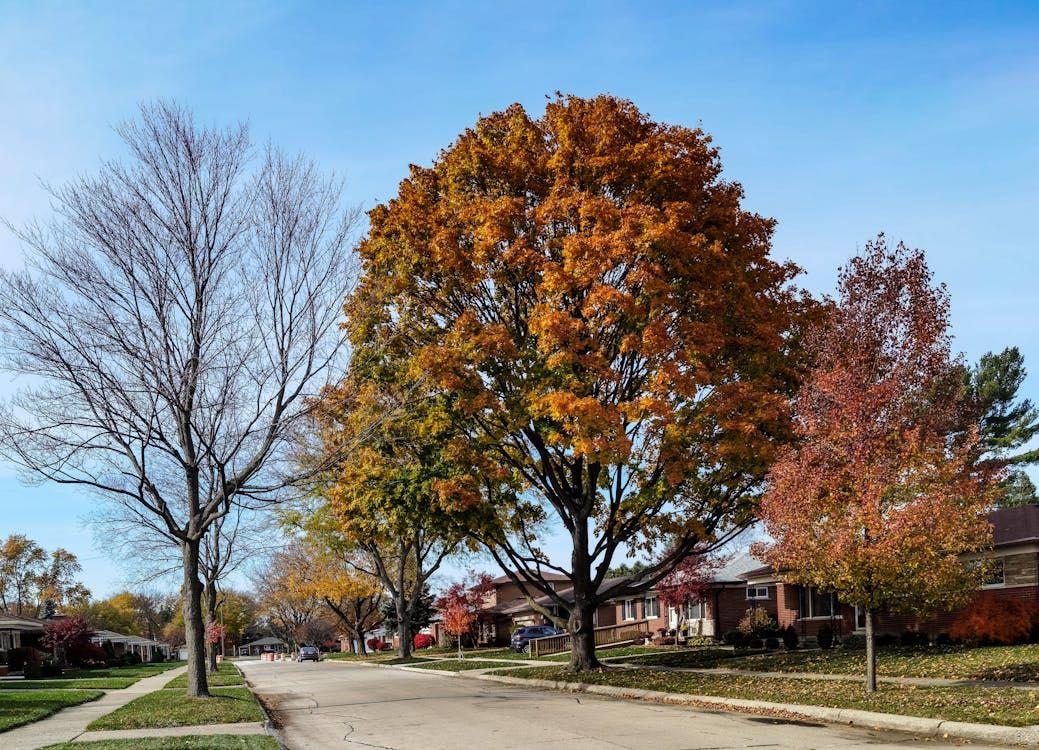
If you're asking is Knoxville TN a good place to live, the answer in 2026 is a strong yes — with context worth understanding before you relocate or buy. Knoxville is Tennessee's third-largest city, an emerging tech and healthcare hub anchored by the University of Tennessee and the federal research complex at nearby Oak Ridge, a legitimate foodie and arts destination centered on the revitalized Market Square and Old City districts, and the closest major Tennessee city to Great Smoky Mountains National Park — a proximity that defines the lifestyle of hundreds of thousands of Knox County residents who access the park's hiking, camping, and scenic drives on weekends throughout the year. The city has evolved dramatically over the past two decades from its industrial-era identity into one of the Southeast's most genuinely desirable mid-sized metros. But Knoxville is no longer the sleeper market it was five years ago — prices have risen, traffic has increased, and the city's growing national profile means that prospective residents need to evaluate it with clear eyes rather than outdated assumptions. This honest 2026 assessment covers both what Knoxville gets right and where it realistically falls short.
If you're considering a move to Knoxville, Tracy King's team at Your Home Sold Guaranteed Realty — Kings of Real Estate can help. Call 865-365-2280 or visit kingsofrealestate.com today.
🏡 Free List of Knoxville Homes Coming to Market
Get early access to Knox County listings — including pre-market homes — before they hit the MLS. Updated weekly for active buyers.
Request the List →What Knoxville Gets Right: The Genuine Strengths
Knoxville's most powerful advantage is its geographic position. The city sits at the intersection of the Tennessee Valley and the Southern Appalachian foothills, 30 miles from the western entrance to Great Smoky Mountains National Park — America's most visited national park with over 13 million annual visitors. But unlike the tourists who visit the park on day trips from distant hotels, Knoxville residents have the park as a practical backyard. Trails in the Smokies, Cades Cove's autumn wildlife viewing, Alum Cave's geological wonders, and the park's hundreds of miles of hiking are accessible for Knoxville residents on any given Saturday without an overnight commitment. This access is not a talking point — it's a genuine, daily-life quality-of-life asset that residents name consistently as one of their top reasons for choosing and staying in Knoxville.
The University of Tennessee is the second defining asset. UT's enrollment of approximately 34,000 students generates the economic activity, cultural programming, and community energy that distinguishes Knoxville from comparably sized Tennessee cities without major research universities. Neyland Stadium — with a capacity of 101,915, one of the largest sports venues in America — creates a football season experience on autumn Saturdays that is central to Knoxville's community identity and attracts visitors from across the Southeast. UT's medical programs (UT Medical Center, Graduate School of Medicine) anchor a significant healthcare employment ecosystem. And the university's arts, music, lecture, and athletics programming enriches daily life for Knoxville residents throughout the year.
Knoxville's downtown and urban neighborhoods have been transformed over the past 20 years. Market Square — once a struggling commercial district — is now one of the Southeast's most genuinely vibrant urban gathering places, with independent restaurants, a year-round farmers market, outdoor concert programming, and the energy of a community that has rediscovered its city center. The Old City, the Warehouse District, and the South Waterfront development along the Tennessee River have added residential and commercial energy that continues to attract buyers who want walkable urban living. The Tennessee Urban Wilderness trail network in South Knoxville, connecting 50+ miles of trail through the ridge-and-valley terrain south of the city, gives South Knox residents outdoor access that urban neighborhoods in much larger cities cannot match.
The employment base provides Knoxville with economic resilience unusual in Tennessee cities of its size. UT and UT Medical Center, the federal research complex in Oak Ridge (approximately 25 miles west), Covenant Health and Tennova hospital systems, TVA's regional headquarters functions, and a growing technology and professional services sector create a multi-pillar employment ecosystem that has protected the Knoxville metro from the sharp cyclical swings that affect single-industry dependent communities.
The Honest Trade-offs: Where Knoxville Falls Short
An honest 2026 assessment requires confronting Knoxville's genuine limitations alongside its strengths. Home prices have risen substantially. The median home price is now approximately $340,000–$360,000 — a level that, while still below the national median, represents dramatic appreciation from five years ago and has made the first-time buyer experience in desirable Knox County sub-markets genuinely competitive and stressful. Buyers seeking the Knoxville of 2018 (affordable, plentiful inventory, limited competition) will not find it in 2026. Entry-level buyers are being pushed to the outer Knox County sub-markets — Powell, Halls, Karns — or to adjacent counties (Blount, Anderson, Loudon) where price points remain more favorable.
Traffic has become a meaningful quality-of-life issue on several key Knoxville corridors. Alcoa Highway connecting Knoxville to Blount County, the I-40/I-75 interchange area, and the Kingston Pike corridor through West Knoxville experience peak-hour congestion that adds meaningful time to daily commutes. Knoxville's road network was not designed for a metro area that has grown as rapidly as it has over the past decade, and infrastructure investment has consistently lagged population and vehicle growth.
Summer heat surprises some transplants from cooler climates. Knoxville sits at approximately 900 feet elevation in the Tennessee Valley — lower and warmer than the mountain communities that form its scenic backdrop — and July and August temperatures regularly exceed 90°F with meaningful humidity. Residents who move from the Northeast or Pacific Northwest expecting the mountain coolness implied by Knoxville's Smoky Mountains proximity often discover that the city itself has a hot, humid Southern summer that requires adjustment.
Knoxville TN in 2026: The Verdict for Buyers and Relocators
Knoxville remains one of the Southeast's most compelling mid-sized cities for buyers who value outdoor recreation access, university-town energy, healthcare employment opportunities, and a genuinely vibrant urban core — and who can accept the rising price reality and traffic growth that have accompanied the city's success. For buyers coming from Charlotte, Washington DC, or Northern Virginia, Knoxville still offers dramatic affordability relative to their origin markets alongside superior Appalachian access. For buyers from within Tennessee, the comparison to Nashville becomes increasingly price-competitive as both markets have risen — but Knoxville's mountain proximity remains an irreplaceable differentiator for outdoor lifestyle buyers.
Tracy King's team at Your Home Sold Guaranteed Realty — Kings of Real Estate serves buyers throughout Knox County and the broader Knoxville metro. With 6,000+ closed Tennessee transactions and 760+ five-star reviews, our team delivers the local expertise and buyer representation that the Knoxville market's competitiveness demands. Call 865-365-2280 today.
Frequently Asked Questions: Is Knoxville TN a Good Place to Live?
Is Knoxville TN a good place to live in 2026?
Yes — Knoxville consistently earns top rankings among mid-sized US cities for quality of living. The combination of University of Tennessee's cultural and economic influence, proximity to Great Smoky Mountains National Park, a diverse employment base across healthcare, manufacturing, and technology, a vibrant downtown food and arts scene on Market Square, and home prices still below national averages makes Knoxville a genuinely compelling place to live in 2026. The honest trade-offs include rising home prices (median now over $340,000), increasing traffic on key corridors, and summer heat that surprises some transplants from cooler climates.
What is the cost of living in Knoxville TN?
Knoxville's cost of living is approximately 5–8% below the national average overall in 2026, with housing as the primary driver — though prices have risen significantly. The median home price is approximately $340,000–$360,000, still below the national median. Tennessee's lack of state income tax is a meaningful financial benefit for all residents. Everyday expenses including groceries, utilities, and healthcare track near or slightly below national averages.
What are the best neighborhoods in Knoxville TN?
Top Knoxville neighborhoods vary by lifestyle priority. Fourth & Gill and Old North Knox offer historic character and walkability. Sequoyah Hills provides premier in-town luxury on the Tennessee River. West Knoxville's Turkey Creek and Farragut corridors offer suburban amenities and top Hamilton County schools. Powell, Halls, and Karns in north and west Knox County deliver family-friendly suburban living at entry-level price points. South Knoxville's Urban Wilderness neighborhoods offer outdoor access and community character at below-median prices.
What is the job market like in Knoxville TN in 2026?
Knoxville's job market is diverse and resilient. Major employment anchors include the University of Tennessee (including UT Medical Center), the federal Oak Ridge complex (ORNL, Y-12), Covenant Health and Tennova hospital systems, TVA, and a growing professional services and technology sector. The metro's manufacturing base (including Denso in nearby Maryville) adds blue-collar employment. Remote worker in-migration has expanded the professional demographic without straining the market.
How do I find a home in Knoxville TN?
Tracy King's team at Your Home Sold Guaranteed Realty — Kings of Real Estate is one of Knoxville's most experienced and highest-reviewed real estate teams. With 6,000+ closed transactions and a database of 45,000+ VIP Buyers and Sellers, our team provides access to pre-market listings and expert buyer representation throughout Knox County and the broader Knoxville metro. Call 865-365-2280 or visit kingsofrealestate.com to get started.
📘 Free Knox County Home Buyer's Guide
Neighborhoods, pricing, financing options, and insider tips for buyers moving to Knoxville in 2026.
Get the Guide →Trusted by Tennessee Homeowners
*Tracy and seller must agree on price and possession date
Our Trusted Local Partners
Home insurance: All Seasons Insurance Group — Sevierville office · Knoxville office
Mortgage & pre-approval: AnnieMac Home Mortgage — Knoxville