
Understanding Home Warranties in Tennessee: What Every Buyer and Seller Needs to Know
A home warranty costs $400–$700 per year and covers mechanical systems and appliances. But is it worth it? Here's what Tennessee buyers and sellers need to know before signing up — or skipping it.

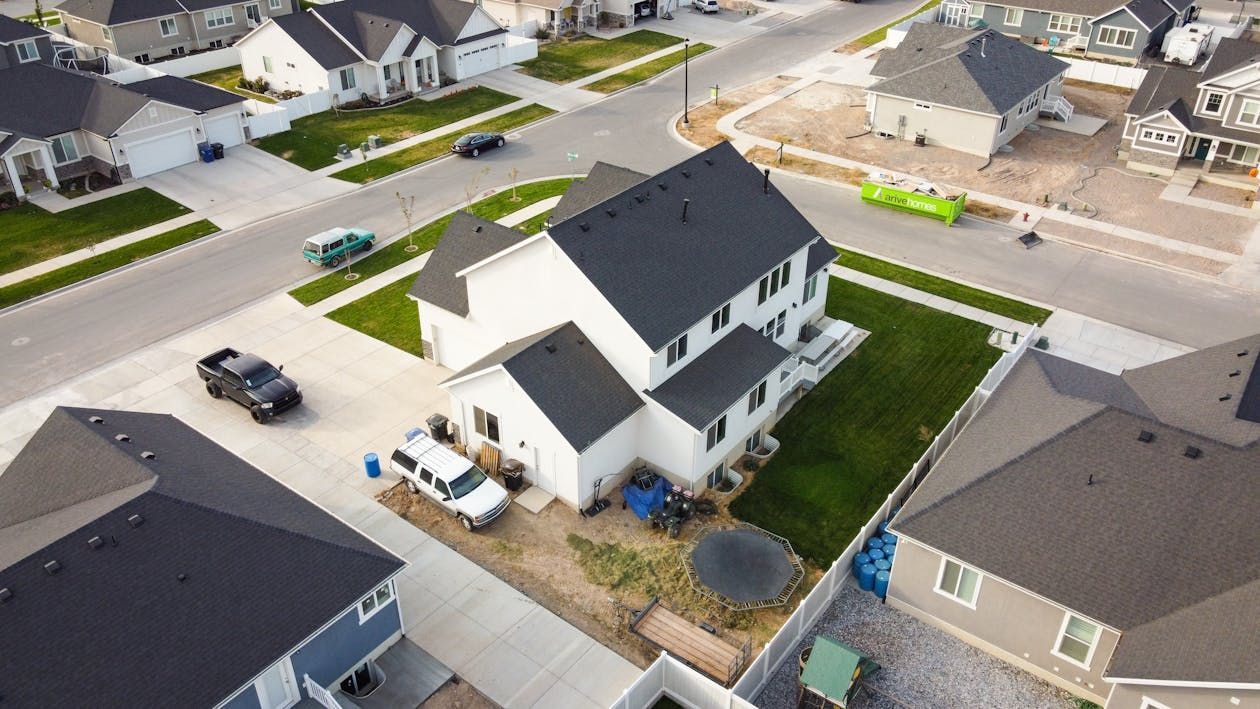
A home warranty is one of the most misunderstood products in Tennessee real estate. Buyers think it's like homeowners insurance. Sellers think it protects them from lawsuits. Agents recommend them reflexively without always explaining what they actually cover — and what they don't.
The reality is more nuanced. A home warranty can be a smart financial decision in certain situations, and a waste of money in others. In Tennessee's 2026 housing market, where the median home price is $385,000 and buyers are paying top dollar for properties they can't always inspect thoroughly, understanding this product matters.
Here's the honest breakdown.
What Is a Home Warranty?
A home warranty is a service contract — not insurance — that covers the repair or replacement of major home systems and appliances that break down due to normal wear and tear. It's purchased annually, typically costs $400–$700 per year depending on coverage level, and requires a service call fee (usually $75–$125) each time you file a claim.
The key distinction from homeowners insurance: insurance covers sudden, unexpected events (fire, storm damage, theft). A home warranty covers mechanical failures from age and normal use (your 15-year-old HVAC dies in July, your dishwasher stops draining). The two products complement each other but don't overlap.
What Does a Home Warranty Typically Cover?
Coverage varies by provider and plan level, but a standard Tennessee home warranty typically includes:
Basic Plan Coverage
- HVAC systems (heating, ventilation, air conditioning — the most common and expensive claim)
- Electrical systems (interior wiring, panels, switches, outlets)
- Plumbing systems (interior pipes, faucets, toilets, water heater)
- Kitchen appliances (oven, range, cooktop, dishwasher, built-in microwave, garbage disposal)
- Washer and dryer (sometimes included in basic, sometimes upgraded)
- Garage door opener
- Ceiling fans
Enhanced/Premium Plan Add-Ons
- Roof leak repair (limited to a dollar cap, typically $1,500–$3,000)
- Pool and spa equipment
- Septic system (common in rural Tennessee)
- Well pump
- Second refrigerator or freezer
- Code violations (cost to bring repairs up to current building codes)
What Home Warranties Do NOT Cover
This is where most misunderstandings happen. A home warranty will typically deny claims for:
- Pre-existing conditions: If the system was already broken or failing when the warranty started, it's not covered. Warranty companies will investigate.
- Improper installation: If the previous owner's DIY HVAC work wasn't up to code, the warranty company may deny the claim.
- Lack of maintenance: If you can't show that systems were reasonably maintained (annual HVAC service, for example), coverage can be denied.
- Structural components: Foundation, framing, walls, and roof structure (separate from roof leaks) are not covered.
- Cosmetic issues: Scratches, dents, door alignment, paint — anything that doesn't affect function.
- Code upgrades: Unless you have the add-on, the warranty won't pay to bring old systems up to current Tennessee building codes during a repair.
- Known defects: If the home inspection identified a problem and you bought the home anyway, the warranty company likely won't cover that item.
Home Warranty Costs in Tennessee (2026)
Home warranty pricing in Tennessee generally breaks down as follows:
| Plan Level | Annual Premium | Service Call Fee | Typical Coverage |
|---|---|---|---|
| Basic | $400–$500 | $75–$100 | Major systems + kitchen appliances |
| Standard | $500–$600 | $75–$100 | Basic + washer/dryer, additional appliances |
| Premium | $600–$700+ | $100–$125 | Standard + roof, pool, septic, well, code violations |
For context: a single HVAC replacement in Tennessee runs $5,000–$12,000. A water heater replacement is $1,200–$3,000. A plumbing repair can easily hit $500–$2,000. If even one major system fails during the warranty year, the $400–$700 premium pays for itself many times over.
When a Home Warranty Makes Sense for Buyers
A home warranty is most valuable when you're buying a home with older systems and appliances that are past their expected lifespan. In Tennessee's 2026 market, that applies to a significant portion of housing stock. Consider a warranty if:
- The HVAC system is 10+ years old. The average lifespan of a central air system in Tennessee's climate (hot summers, moderate winters with heat pump use) is 12–15 years. If the home's system is approaching or past that mark, a warranty provides a financial safety net.
- The water heater is 8+ years old. Tank-style water heaters typically last 8–12 years. At the $500 annual premium level, you're buying peace of mind against a $1,500+ surprise.
- You competed hard to win the home. In competitive situations where you shortened your inspection period or waived repairs, a warranty adds a layer of protection for issues that may surface after closing.
- You're a first-time buyer without an emergency fund. If a $5,000 repair would genuinely create financial hardship, the $500/year premium is worthwhile insurance against budget-breaking surprises.
- The home is older than 20 years. Older homes have more systems approaching end-of-life simultaneously. A warranty helps manage the financial risk of multiple failures in the same year.
When a Home Warranty May Not Be Worth It
A home warranty isn't always the right call. You might skip it if:
- The home is new construction. New homes in Tennessee come with builder warranties that typically cover structural defects for 10 years, systems for 2 years, and appliances for 1 year. A separate home warranty would be redundant during this period.
- Major systems were recently replaced. If the seller installed a new HVAC, roof, and water heater within the last 3–5 years, the likelihood of a major failure is low. Manufacturer warranties may still apply.
- You have a healthy emergency fund. If you can absorb a $5,000–$10,000 repair without financial stress, the math may not favor paying $500+/year plus service call fees. Over 10 years, that's $5,000+ in premiums you may never use.
- You're handy and prefer to choose your own contractors. Warranty companies assign their own service providers, and you typically can't choose who does the work. If you have trusted local contractors, this loss of control can be frustrating.
Home Warranties for Tennessee Sellers: A Smart Listing Strategy
For sellers in Tennessee's 2026 market, offering a home warranty as part of the listing is a strategic move — not just a nice gesture. Here's why:
During the Listing Period
Many warranty companies offer a free listing period coverage that protects the seller while the home is on the market. If the HVAC dies during showings in July, the warranty covers the repair — instead of the seller eating a $5,000+ surprise cost that could delay or derail the sale. Given that Kingsport homes average 86–94 days on market and Nashville-area homes move in 28 days, the listing period coverage provides proportionate value based on your expected timeline.
As a Negotiation Tool
When a buyer's inspection uncovers aging systems, the seller can offer a home warranty ($400–$700) instead of making expensive repairs or giving a large credit. It's a cost-effective way to address buyer concerns without spending thousands on last-minute fixes. In Tennessee transactions, this is one of the most common uses of home warranties — and it keeps deals together when inspection negotiations get tense.
Reducing Post-Sale Liability
Tennessee requires sellers to complete a Residential Property Condition Disclosure. Even after disclosing known issues, sellers can face complaints if something breaks shortly after closing. A home warranty provides a resolution path for the buyer — they call the warranty company, not the seller's agent — which reduces friction and potential disputes.
Tracy King's team at Kings of Real Estate often includes home warranties strategically in listings. "A $500 warranty can prevent a $10,000 renegotiation," Tracy notes. "It's one of the most underused tools in a seller's arsenal."
How to Choose a Home Warranty Provider in Tennessee
Not all warranty companies are created equal. When evaluating providers, focus on:
- Coverage caps: Some plans cap individual claims at $1,500–$2,000, which won't cover a full HVAC replacement. Look for plans with $3,000+ individual caps or no per-item limit.
- Service call fee: Compare the $75 vs. $125 fee — it adds up if you file multiple claims.
- Contractor network: Check reviews of the warranty company's service providers in your Tennessee county. Response times and repair quality vary significantly by location.
- Claim denial rate: Research the company's BBB rating and customer reviews. Some providers are known for aggressive claim denials, which defeats the purpose.
- Coverage exclusions: Read the fine print on pre-existing conditions, maintenance requirements, and code upgrade exclusions. These are the most common reasons claims get denied.
Home Warranty vs. Homeowners Insurance: A Quick Comparison
Because these two products are frequently confused, here's a clear side-by-side:
| Feature | Home Warranty | Homeowners Insurance |
|---|---|---|
| Type | Service contract | Insurance policy |
| Covers | Mechanical failure from wear and tear | Sudden/accidental damage (fire, storm, theft) |
| Cost | $400–$700/year + service fees | $1,200–$2,500/year (TN average) |
| Required? | No (optional) | Yes (required by mortgage lender) |
| Example claim | HVAC compressor fails from age | Tree falls on roof during storm |
| Who pays? | Buyer, seller, or split | Homeowner (required by lender) |
Both products have their place in a comprehensive homeownership strategy. For Tennessee homeowners, pairing a home warranty with a solid homeowners insurance policy from a local provider like All Seasons Insurance Group provides coverage against both gradual system failures and sudden unexpected events.
Frequently Asked Questions
Is a home warranty required in Tennessee?
No. Unlike homeowners insurance (which your mortgage lender requires), a home warranty is completely optional. It's a service contract you choose to purchase. However, many Tennessee sellers offer one as part of the sale, and buyers can negotiate for the seller to cover the first year's premium as a closing concession.
Who typically pays for the home warranty in a Tennessee transaction?
It varies by negotiation. In a seller's market, the buyer often pays. In a buyer's market, the seller may include it to sweeten the deal. In many Tennessee transactions, the seller offers the first year's warranty as a concession, especially when the inspection reveals aging systems. The cost ($400–$700) is typically a line item on the closing disclosure.
Can I buy a home warranty after closing?
Yes. You don't have to purchase a home warranty at closing — you can buy one at any time. However, most warranty companies impose a 30-day waiting period before coverage kicks in (to prevent people from buying a warranty after something already breaks). Buying at closing avoids this waiting period since coverage starts immediately.
What if the warranty company denies my claim?
First, request the denial in writing with the specific contract clause cited. Review your contract to verify the denial is valid. If you disagree, escalate to the company's dispute resolution process. If that fails, you can file a complaint with the Tennessee Division of Consumer Affairs or consult an attorney. Document everything — save repair estimates, maintenance records, and all communication with the warranty company.
Are home warranties worth it for investment properties in Tennessee?
For rental properties, home warranties can be particularly valuable because they reduce surprise maintenance costs and provide a consistent repair process. When a tenant reports a broken HVAC at 2 AM in August, calling the warranty company is simpler than finding an emergency contractor. The $500–$700 annual cost is also a tax-deductible business expense for investment property owners.
FREE GUIDE
🚩 9 Buyer Traps You Must Avoid
Don't fall for the most common buyer mistakes that cost thousands. Get this free guide before your next showing.
Subscribe & Get Your Free Copy →Join our free newsletter — we'll send it straight to your inbox.
🔒 EXCLUSIVE ACCESS
See Homes Before They Hit the Market
Get first access to off-market and pre-market listings across Tennessee. The best deals never make it to Zillow — see them first at ComingSoonHomesTN.com.
Browse Off-Market Listings →Powered by Your Home Sold Guaranteed Realty — Kings of Real Estate
*Tracy and seller must agree on price and possession date
⭐ 760+ Five-Star Reviews on Google · 👍 Follow Us on Facebook