
Home Staging Tips That Sell Tennessee Homes Faster in 2026
Staged Tennessee homes sell in roughly half the time of unstaged properties and routinely net sellers thousands more at closing. This guide covers every room, every dollar, and the Tennessee-specific details — from front porches to crawl spaces — that make the difference in 2026's more...

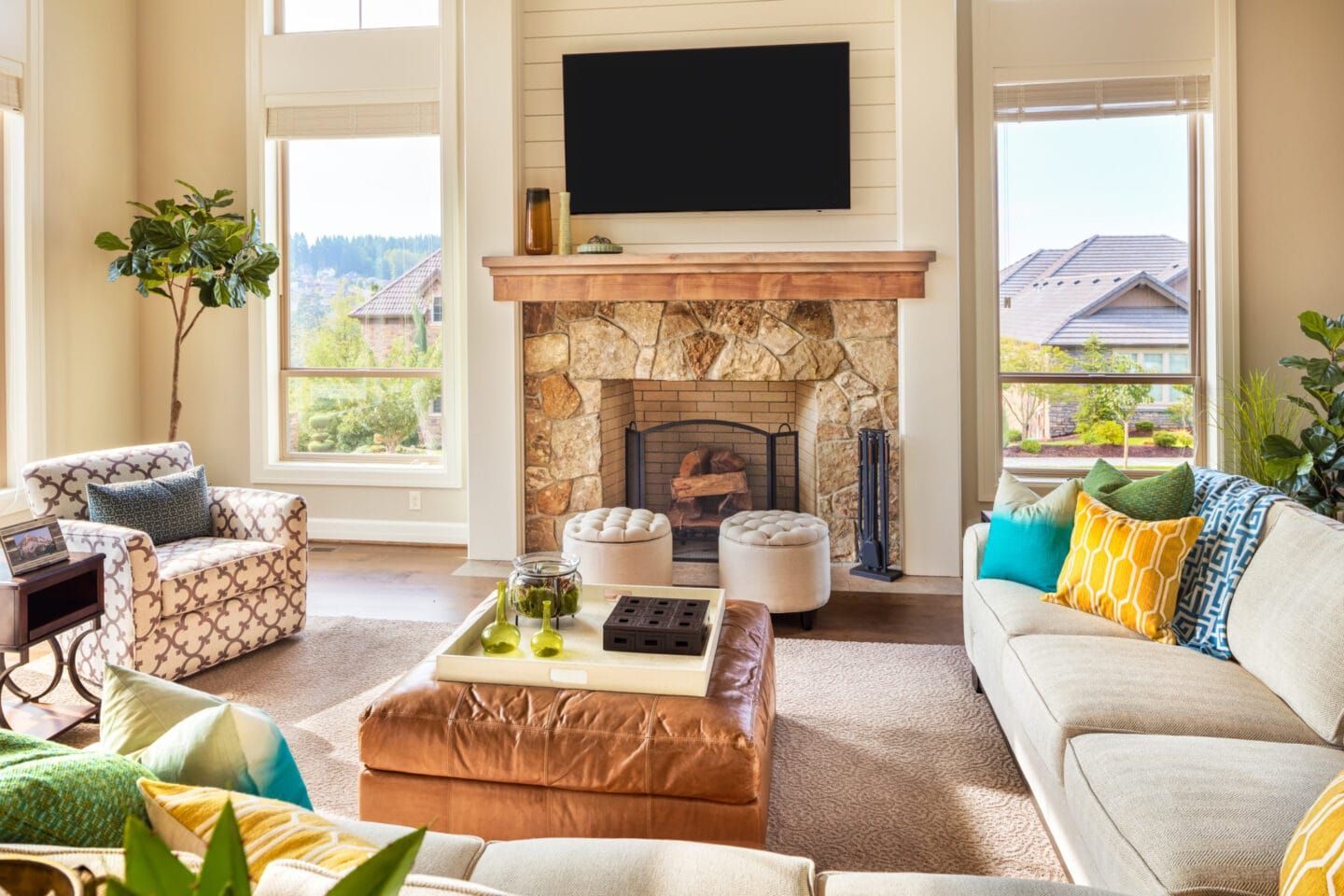
Staged Tennessee homes sell in roughly half the time of unstaged properties and routinely net sellers thousands more at closing. According to the 2025 NAR Profile of Home Staging, 83% of buyer's agents say staging makes it easier for buyers to picture a property as their future home — and about half of all agents surveyed say staged homes sell faster. In Tennessee's 2026 market, where inventory has risen and buyers have more choices than they did two years ago, a well-staged listing is not a luxury. It is a competitive requirement. This guide gives Tennessee sellers a room-by-room playbook, real cost data, TN-specific staging considerations, and the photography principles that ensure your home's presentation translates from the front porch to the listing photos.
Why Staging Matters More in 2026's Tennessee Market
Tennessee's real estate market shifted meaningfully over 2025. Statewide inventory rose to roughly 43,700 homes for sale by November 2025 — up 13.7% year over year — and the state average supply reached approximately 6 months, according to JVM Lending's 2026 forecast. That means buyers have real negotiating leverage in most markets. In East Tennessee specifically, Knoxville ended 2025 with a median sold price of $380,000 and a 31.6% jump in inventory, reinforcing a more balanced environment.
In a seller's market, almost any listing sells fast. In a balanced market, presentation separates homes that close in two weeks from homes that languish for two months. The Real Estate Staging Association (RESA) tracked 84 staged properties in Q1 2025 and found they sold in an average of 12 days, versus the national average of 32 days for all Tennessee listings. That 20-day difference matters when carrying costs — mortgage, utilities, insurance — run hundreds of dollars per day.
Home price appreciation in Tennessee is projected at 3% to 5% statewide through 2026, with stronger momentum in Knoxville (projected +5%), Morristown (+4.4%), and Chattanooga (+2.6%), according to Norada Real Estate's market analysis. Modest appreciation means sellers can no longer rely on a rising tide to cover pricing mistakes or weak presentation. Staging is the most cost-effective lever available.
What the Data Says: Staging's Measurable Impact
| Metric | Staged Homes | Non-Staged Homes | Source |
|---|---|---|---|
| Average days on market | 12–24 days | 47–90 days | RESA Q1 2025; DDH Home |
| Sale price vs. list price | 98.7% – 109% | 94.2% – 96% | RESA 2025; DDH Home |
| Agents reporting price increase of 1–10% | 30% of agents | — | NAR 2025 Profile of Home Staging |
| Buyers more likely to schedule a showing | +40% more likely | — | NAR 2025 |
| Average ROI on staging investment (Q1 2025) | 2,334% | — | RESA Q1 2025 |
| Average staging investment (Q1 2025) | $3,588 | — | RESA Q1 2025 |
| Average amount over list price (Q1 2025) | $56,000 | — | RESA Q1 2025 |
The NAR's 2025 data also found that one in three buyer's agents reported clients were more likely to schedule a showing after seeing a staged home online. In a market where 95% of buyers begin their search on the internet, online photos are effectively the first showing — and staged homes generate 73% more online views than unstaged properties listed without prior staging, according to DDH Home's transaction analysis.
Tennessee-Specific Staging Considerations
Staging principles are universal, but Tennessee homes have structural and stylistic characteristics that require tailored attention. Sellers and agents who understand these nuances present homes more effectively than those applying generic advice.
Ranch-Style Homes: Working with the Horizontal Footprint
Ranch-style homes are among the most common housing types across Tennessee, particularly in suburban East Tennessee, Middle Tennessee, and smaller cities like Cookeville, Morristown, and Jackson. Their one-story, wide footprint is practical and popular — but it creates staging challenges. The long, low silhouette can look flat from the street, and open floor plans can feel undefined if furniture is not arranged deliberately.
For ranch interiors, the priority is creating visual zones within open layouts. Use area rugs to anchor a living area, a dining grouping, and any flex space. Avoid pushing all furniture against walls — floating a sofa and chairs around a rug creates conversational groupings that make rooms feel intentional and spacious. For the exterior, break up horizontal lines with a curved stone walkway, layered foundation plantings of varying heights, and updated porch lighting. Brick & Batten's curb appeal guide recommends pairing a light body color with bold trim accents to add visual contrast to the low profile.
Brick Exteriors: Clean and Refresh Rather Than Conceal
Brick is a dominant exterior material across Tennessee, particularly on homes built from the 1960s through the 1990s. Original red or brown brick can look dated, but many sellers underestimate how much impact a pressure wash, fresh mortar touch-up, and updated front door color can deliver without painting the entire facade.
If the brick is heavily weathered or an unflattering tone, a limewash or mineral-based masonry paint can modernize the exterior significantly. A contrasting front door — deep navy, charcoal, or olive — draws the eye toward the entry and away from the flat facade. New black or bronze sconces and updated house numbers complete the look for under $500 in materials. If you do paint brick, use a breathable mineral-based product specifically formulated for masonry, as traditional exterior paint can trap moisture and cause damage in Tennessee's humid climate.
Front Porches: Tennessee's Most Underused Selling Feature
Tennessee buyers consistently value outdoor living space, and a front porch is one of the state's most recognizable architectural features. Yet many sellers leave porches unstaged entirely — cluttered with mail, seasonal items, and worn-out furniture — or simply empty. Neither presents well.
A staged front porch communicates lifestyle before a buyer opens the front door. The formula is simple: two chairs or a small bench, a side table, a doormat, two flanking planters with seasonal color, and a clean sweep. Remove everything else. Keep it symmetrical. In spring and summer — Tennessee's peak selling seasons — blooming annuals in planters cost $30 to $50 and deliver outsized visual impact. In fall, mums and ornamental cabbage carry the same seasonal warmth.
Crawl Spaces: Address Before Listing, Not During Inspection
Crawl spaces are the predominant foundation type in Middle Tennessee and are common throughout the state, according to E3 Innovate's building science research. Tennessee's summer dew points regularly reach the low-to-mid 70s, which means humid outside air entering a vented crawl space frequently condenses on structural members, leading to moisture issues, mold, and wood deterioration. Buyers who see a crawl space inspection report flagging moisture, standing water, or visible mold will discount their offer significantly — or walk away.
Before listing, sellers should have the crawl space inspected, any moisture issues corrected, vapor barrier installed or replaced if deteriorated, and vents cleared. This is not a staging cost — it is a maintenance cost that prevents much larger negotiating losses. A clean, dry crawl space that a buyer's inspector describes as properly maintained supports the asking price rather than undermining it.
Seasonal Staging for Tennessee's Climate
Tennessee's four distinct seasons all have staging implications.
- Spring (March–May): Tennessee's strongest selling window. Open all windows before showings if weather allows. Fresh-cut flowers or potted herbs on the kitchen counter, all-white bedding, and light linen curtains communicate freshness. Dogwood and redbuds are blooming — keep lawns freshly cut and beds mulched to capitalize on natural color.
- Summer (June–August): Ensure the HVAC is serviced and set to 72–74°F during showings. Overheated or underventilated homes feel uncomfortable and suggest maintenance problems. Porch staging shines in summer — buyers can easily visualize evening use. Keep blinds partially open to show natural light while blocking harsh midday sun.
- Fall (September–November): Tennessee fall foliage is a genuine asset. Exterior photos taken mid-October can showcase maples and oaks at peak color — a distinct regional advantage. Inside, add a soft throw on the sofa, a bowl of seasonal gourds in the kitchen, and warm-toned candles. Avoid over-decorating for Halloween or Thanksgiving, which can distract buyers.
- Winter (December–February): Maximize artificial lighting since natural light is limited. Replace any bulbs below 2700K with warm-white equivalents. A crackling fire in listings with a fireplace is a powerful amenity signal — highlight it in photos and during showings. Keep sidewalks and driveways clear of leaves and debris.
Room-by-Room Staging Priorities
Budget determines scope. If you can stage only three rooms, stage the living room, primary bedroom, and kitchen in that order — the same priority ranking confirmed by the 2025 NAR Profile of Home Staging. If budget allows more, add the dining area, bathrooms, and entryway. Guest bedrooms and laundry rooms consistently rank lowest in buyer priority and can be depersonalized and decluttered without full staging investment.
Room-by-Room ROI Reference
| Room | Typical Staging Cost | Estimated Sale Price Impact | Cost-Effectiveness | Buyer Priority (NAR 2025) |
|---|---|---|---|---|
| Living Room | $900–$1,500 | +$6,800 avg. | 5.7x | #1 (37% of buyer agents) |
| Primary Bedroom | $700–$1,200 | +$4,200 avg. | 4.7x | #2 (34% of buyer agents) |
| Kitchen | $600–$1,000 | +$5,100 avg. | 6.4x | #3 (23% of buyer agents) |
| Dining Room | $400–$700 | +$2,900 avg. | 4.8x | Moderate |
| Home Office | $400–$600 | +$3,400 avg. | 6.8x | Emerging (remote work demand) |
| Bathrooms | $200–$500 | +$2,100 avg. | 5.3x | Moderate |
| Guest Bedroom | $200–$400 | Low | Low | Low (7% of buyer agents) |
Cost and impact data compiled from DDH Home's 2024–2025 transaction analysis and NAR 2025 Profile of Home Staging.
Living Room
The living room sets the emotional tone for every room that follows. Remove at least 30% of existing furniture — most Tennessee living rooms are over-furnished. Choose one anchor sofa, two chairs, a coffee table, and a rug. Float the furniture away from walls with the sofa's back 12 to 18 inches from the wall. Neutral slipcovers over dated upholstery are an inexpensive fix. Remove personal photos, religious items, and anything polarizing. A single piece of large abstract art over the sofa anchors the room visually. Add fresh greenery — a potted fiddle-leaf fig or tall snake plant — for organic warmth.
For Tennessee ranch homes with open-concept living and dining areas, use contrasting rugs to visually separate the two zones. This helps buyers understand the square footage layout and read the home as two distinct spaces rather than one undifferentiated expanse.
Kitchen
The kitchen's staging cost-effectiveness ratio of 6.4x is the highest of any room, according to DDH Home's analysis. Clear every counter completely. Store the toaster, coffee maker, and dish rack. Leave only one or two intentional items: a wood cutting board leaning against the backsplash, a bowl of fresh citrus, and a small potted herb. This makes the kitchen feel larger and more functional — which directly influences perceived value.
Clean grout, replace any burned-out under-cabinet lights, tighten loose cabinet hardware, and consider replacing dated builder-grade hardware with brushed nickel or matte black pulls for $100 to $200 in materials. These small updates photograph dramatically better than the originals and signal a well-maintained home. Deep clean the refrigerator coils and oven interior — inspectors and attentive buyers notice odors from neglected appliances.
Primary Bedroom
The primary bedroom should communicate rest, privacy, and quality. Start with all-white or crisp neutral bedding — hotel-style layering with a duvet, two Euro shams, and two standard pillows creates a luxury signal. Remove all personal items from nightstands; each should hold only a lamp, a single book, and a small plant or vase. Keep the bed centered on the main wall with matching nightstands on each side for visual symmetry. Clear the floor completely and ensure closet doors close fully — buyers always open closets and the appearance of generous storage directly influences offer decisions.
Bathrooms
Bathrooms require deep cleaning above all else. Grout lines, faucet aerators, shower glass, and caulk lines are the details buyers notice and interpret as signals of overall maintenance. Replace any builder-grade mirrors with frameless or simply framed alternatives. Add coordinated white or gray towels, a matching bath mat, a soap dispenser, and a small plant. Hide all personal items — medications, toiletries, razors — in a bin under the sink. A single reed diffuser with a clean linen scent creates a pleasant sensory impression without the artificial heaviness of scented sprays.
Entryway and Foyer
The entry is the first interior experience and a critical psychological reset point. A console table, a mirror (which expands perceived space), a small piece of art, and clean hooks or an umbrella stand are all that's needed. Remove shoe racks, coat piles, and delivery boxes. The ceiling light fixture in the foyer should be replaced if it predates 2010 — dated fixtures signal an older home throughout, while a modern replacement costs $80 to $300 and updates the entry immediately.
Professional Staging vs. DIY: Cost Comparison
Not every Tennessee seller needs full professional staging. The decision depends on budget, the home's current condition, whether the property is occupied or vacant, and the price range. Vacant homes almost always benefit from at least partial physical staging, as empty rooms read smaller on camera and feel cold during tours.
| Staging Approach | Typical Cost | Best For | Limitations |
|---|---|---|---|
| Full professional staging (vacant) | $2,000–$4,000 (60 days) | Vacant homes, $300K+ | Higher upfront cost |
| Staging consultation only | $150–$400 | Occupied homes with good furniture | Seller must execute recommendations |
| Partial staging (key rooms only) | $800–$2,000 | Occupied homes with dated or sparse furniture | Secondary rooms unstaged |
| DIY staging | $200–$800 (accessories) | Sellers with design sensibility | Time-intensive; risk of over-personalizing |
| Virtual staging only | $20–$100 per image | Vacant homes, tight budgets | No in-person staging impact |
| Hybrid: physical key rooms + virtual secondary rooms | $1,000–$2,500 total | Most Tennessee sellers | Requires coordination |
The national median staging cost reached $1,500 in 2025 — up from $400 in 2019, per NAR data compiled by Roomagen. Despite the higher cost, the Q1 2025 RESA data shows that even properties staged for under $1,000 achieved a 134% ROI, with an average return of $23.34 for every $1 invested.
For a typical Tennessee home priced at $330,000, a 3% increase attributable to staging equals approximately $9,900 in additional proceeds. A $2,500 staging investment at that return yields roughly 296% ROI — far exceeding almost any other pre-sale improvement category.
Virtual Staging: The Growing Option for Tennessee Sellers
Virtual staging has moved from novelty to mainstream practice. The virtual staging market reached $454 million in 2025 and is projected to grow at a 26.4% compound annual rate through 2033, according to Roomagen's 2026 statistics report. For Tennessee sellers, virtual staging offers particular value for secondary bedrooms, bonus rooms, and finished basements that would otherwise photograph as empty, undefined spaces.
Key advantages of virtual staging:
- Cost savings of 80% to 97% versus full physical staging
- Turnaround of 24 to 72 hours for professional services, minutes for AI platforms
- Virtually staged listings receive 40% more online views and 31% more buyer inquiries than bare listings, per Florida Realtors and HomeJab research
- 78% of new construction listings now use virtual staging
- 49% of buyer's agents rate virtual staging equal to or better than physical staging for generating online interest
The critical limitation: virtually staged photos must be labeled as such in the listing. Buyers who tour a virtually staged vacant home may feel misled if the difference between the photos and reality is jarring. The best practice is to physically stage the rooms buyers see first — living room, kitchen, primary bedroom — and use virtual staging for rooms further into the tour. This hybrid approach delivers both the online engagement of beautiful photography and the in-person warmth that motivates offers.
When working with a lender partner like AnnieMac Home Mortgage, buyers often ask about move-in-ready homes versus fixer-uppers. A well-staged listing signals move-in ready, which directly aligns with what qualified buyers — particularly those using conventional or FHA financing — are looking for in today's Tennessee market.
Photography and Videography: Making Staging Count Online
Staging without professional photography is like a well-prepared meal served on a paper plate. The presentation does not match the effort. According to Redfin's photography guide, staged homes with professional photos sell for 5% to 15% more than unstaged homes photographed without staging preparation — and pre-photography staging generates the strongest first-impression advantage of any timing strategy.
DDH Home's transaction analysis found that properties staged before photography averaged 19 days on market versus 45 days for those staged 30 or more days after listing. Each week of delay in staging reduces the final sale price by an average of 1.2%, compounding over time — meaning a home listed without staging that goes back to market staged six weeks later has already surrendered significant pricing power.
Photography Best Practices for Staged Tennessee Homes
- Shoot during optimal light hours. Mid-morning (9–11 a.m.) is typically ideal in Tennessee for interior shots, capturing directional natural light without the harsh overhead glare of midday. For exterior shots, consider twilight photography — all interior lights on at dusk creates a warm, inviting appearance that performs exceptionally well online.
- Use a wide-angle lens correctly. Wide-angle lenses (16–24mm) show full rooms effectively but can distort if used carelessly. A camera height of 4 to 5 feet with the lens kept level minimizes distortion and keeps vertical lines straight.
- Stage before the photographer arrives — not during. All surfaces should be cleared, all lights tested and matching in color temperature (2700K–3000K throughout), beds made with crisp linens, and toilet lids closed before the first shot.
- Replace all burned-out bulbs. Mismatched or missing bulbs create visible shadows and cold spots in photos that signal neglect to buyers scanning listing images.
- Open all window treatments. Natural light is the most powerful tool in residential photography. Open every blind and curtain fully unless a window frames an unattractive view.
- Include a drone or aerial shot. For Tennessee properties with acreage, mountain views, or proximity to lakes or rivers, an aerial photo communicates location value that ground-level photography cannot. Drone photography typically adds $100 to $200 to a standard package.
- Consider a walkthrough video or 3D tour. Virtual tours remain popular with relocation buyers — a significant segment of Tennessee's buyer pool given the state's ongoing in-migration from higher-cost markets.
Staging in a Buyer's Market vs. a Seller's Market
A common seller misconception is that staging matters less when the market favors sellers. The data does not support this view. During the competitive 2021–2022 Tennessee market, some homes sold with minimal preparation because demand overwhelmed supply. That dynamic has shifted. With 61.8% of Tennessee homes selling below list price as of mid-2025, according to Norada Real Estate's market data, the gap between a well-positioned listing and a poorly prepared one is measured in real dollars.
In a balanced or buyer-leaning market, staging does three things that nothing else can:
- It reduces days on market. The longer a listing sits, the more buyers wonder what is wrong with it. A staged home that generates showings in the first week avoids the stigma of stale listings.
- It reduces price reductions. Most price reductions in Tennessee in 2025 were $5,000 to $15,000 each. A $2,500 staging investment that prevents a price reduction pays for itself three to six times over.
- It attracts financing-contingent buyers. Buyers using FHA, VA, and conventional financing — the majority of Tennessee buyers — need appraisals to support the purchase price. A staged home generates competitive offers and provides comps that support the contract price through appraisal.
About Tracy King and Your Home Sold Guaranteed Realty — Kings of Real Estate
Tracy King is a licensed broker and team leader at Your Home Sold Guaranteed Realty — Kings of Real Estate, serving buyers and sellers across Knoxville, Pigeon Forge, Chattanooga, Nashville, the Tri-Cities, and communities throughout East Tennessee. The Kings of Real Estate team maintains a database of more than 60,000 active buyers, which is how they routinely sell listings faster and at higher prices than the area average.
Tracy and her team operate on a foundation of performance commitments: sellers average 3% more than the area agent — on a $400,000 home, that is an additional $12,000 at closing. Listings sell up to 60 days faster than the market average. And if your home does not sell on the agreed terms, Tracy will buy it. These results reflect a systematic approach to marketing, preparation, and buyer matching that begins with proper staging before the first photo is taken.
When you are ready to insure your next home after closing, All Seasons Insurance Group (asigtn.com) provides homeowners insurance across Tennessee, with offices in Sevierville and Knoxville. Their team understands the specific insurance considerations for Tennessee properties, including crawl space moisture issues, brick exterior coverage, and the storm exposure common across the state.
Frequently Asked Questions
Does home staging really increase the sale price in Tennessee?
Yes. According to the 2025 NAR Profile of Home Staging, roughly 30% of real estate professionals reported that staging boosted home values by 1% to 10%. On a $350,000 Tennessee home — close to the statewide median — that range equals $3,500 to $35,000 in additional proceeds. The Real Estate Staging Association found that Q1 2025 staged homes sold for an average of $56,000 over list price, with an average staging investment of just $3,588.
How much does professional home staging cost in Tennessee?
Professional full-home staging in Tennessee typically runs $1,500 to $4,000 for the first 60 days, depending on home size and whether the property is vacant or occupied. Occupied-home consultations often start around $800. Virtual staging costs $20 to $100 per image through a professional service, or as little as $1 to $10 per image through AI-powered platforms. The NAR reports that the national median staging cost reached $1,500 in 2025, roughly four times the 2019 median.
Which rooms are most important to stage in a Tennessee home?
The 2025 NAR Profile of Home Staging identifies the living room as the most important room, cited by 37% of buyer's agents. The primary bedroom follows at 34%, and the kitchen at 23%. For Tennessee's prevalent ranch-style homes, the open living and dining area often functions as one combined space — staging it cohesively is especially high-impact.
Does staging still matter in a slower Tennessee market?
Staging matters more in a balanced or buyer-leaning market, not less. When buyers have more choices — as Tennessee saw through 2025, with about 6 months of supply statewide — a staged home stands out from competing listings. RESA data shows staged homes sold 73% faster than unstaged homes, a gap that widens when days on market start climbing.
Is virtual staging as effective as physical staging for Tennessee listings?
Virtual staging is highly effective for vacant homes and can cut costs by 80% to 97% compared to physical staging. Virtually staged listings receive roughly 40% more online views and 31% more buyer inquiries than bare listings, according to Florida Realtors and HomeJab data compiled by Roomagen. Physical staging still has an edge during in-person tours. The best practice for most Tennessee sellers is to physically stage the primary living areas and use virtual staging for secondary bedrooms and bonus rooms.
Your Home Sold Guaranteed or I'll Buy It!*
Here's what separates Tracy King and the Kings of Real Estate from every other team: a written, contractual guarantee that your home will sell — or Tracy buys it himself.
With over 6,000 homes sold across Tennessee and a database of 45,000+ active buyers, the Kings of Real Estate don't just list homes — they market them to win.
Ready to Make Your Move in Tennessee?
Call or text Tracy King directly at 865-365-2280.
Whether you're buying, selling, or investing in Tennessee — get the team that guarantees results, not promises.
FREE GUIDE
🏡 27 Valuable Tips to Sell Your Home Fast!
Planning to sell? Get the insider tips that help homeowners sell faster and for top dollar — straight from a team that's sold over 6,000 homes.
Subscribe & Get Your Free Copy →Join our free newsletter — we'll send it straight to your inbox.
*Tracy and seller must agree on price and possession date
⭐ 760+ Five-Star Reviews on Google · 👍 Follow Us on Facebook