
What Is the Cost of Living in Knoxville TN? 2026 Local Guide
What is the cost of living in Knoxville TN in 2026? This honest local guide breaks down housing, rent, taxes, utilities, transportation, groceries, healthcare, and the real tradeoffs buyers should understand before relocating. **What is the cost of living in Knoxville TN? The short version…

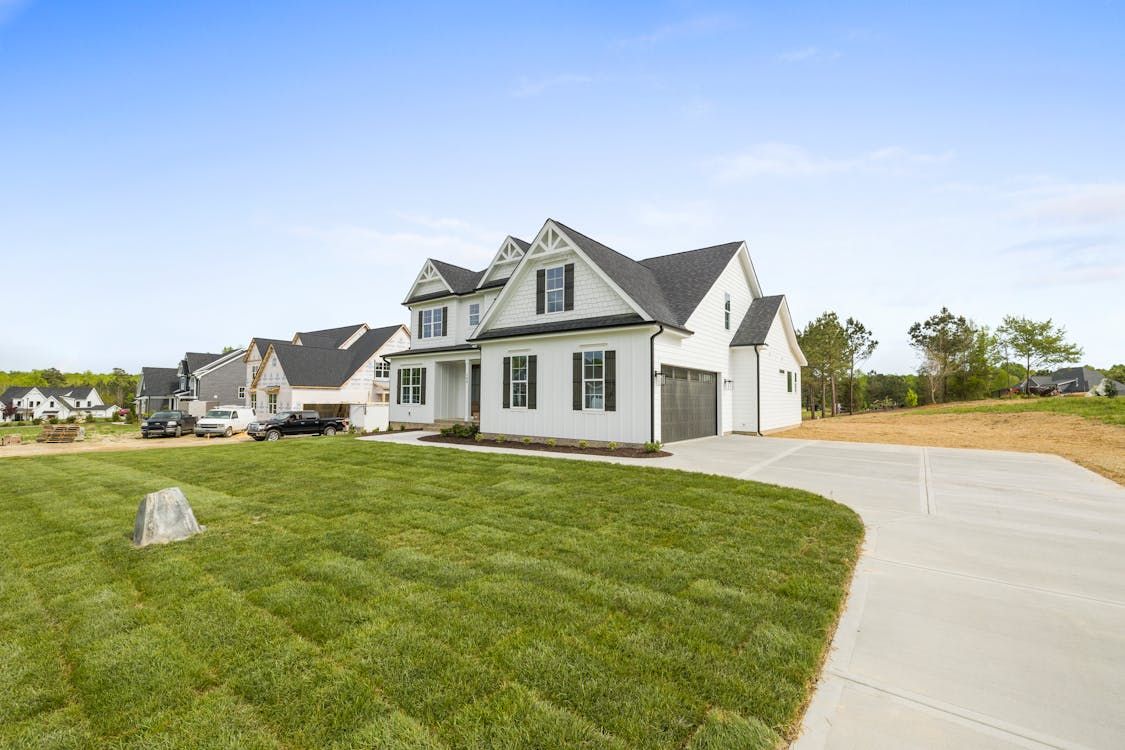
One of the most common questions from people considering a move to Knoxville, Tennessee is simple: how much does it actually cost to live there? In 2026, Knoxville remains one of the more affordable large cities in the Southeast — though it has become meaningfully more expensive than it was five years ago. Here is a comprehensive breakdown of what life actually costs in the Knoxville area.
Housing: The Biggest Variable
Housing is both the most significant cost component and the most variable, depending on whether you rent or own and which part of Knox County you choose.
Renting: A 1-bedroom apartment in Knoxville proper averages $1,100–$1,400/month in 2026, with higher-end options in downtown and West Knoxville running $1,500–$2,000+. A 2-bedroom apartment averages $1,400–$1,800/month in most areas. Utilities are generally not included in these figures.
Owning: With a median home price of $310,000–$345,000 in Knox County, a buyer putting 10% down on the median home and financing at current rates would face a principal-and-interest payment in the $1,800–$2,100/month range. Adding property taxes (~$1,500–$2,500/year in Knox County) and homeowner's insurance (~$1,200–$1,800/year), total monthly housing cost for a median-priced Knox County home sits roughly in the $2,100–$2,500/month range for a financed purchase.
Tennessee's Tax Advantage
Tennessee has no state income tax — a meaningful financial benefit that significantly offsets the cost-of-living comparison against states with state income taxes. A household earning $100,000 in California pays roughly $6,000–$7,000+ in state income tax. In Tennessee, that same household pays zero. Over a 10-year period, this difference compounds to a substantial financial advantage.
Tennessee does have a sales tax — state and local combined rates typically run 9.25–9.75% in the Knoxville area, which is among the higher rates nationally. Groceries are taxed at a lower rate (4% state, plus local). This is the primary tax trade-off Tennessee residents accept in exchange for no income tax.
Property tax rates in Knox County are moderate — roughly $2.12 per $100 of assessed value, with residential assessment at 25% of market value. On a $320,000 home, annual property taxes run approximately $1,700, which is notably below national averages and well below what comparable-value homes face in states like New Jersey or Illinois.
Groceries and Food
Grocery costs in Knoxville run approximately 5–10% below the national average. Major grocery chains including Kroger, Food City, Publix, Ingles, and Walmart are all represented with strong competition that keeps pricing reasonable. A typical grocery budget for a family of four runs $700–$900/month depending on purchasing habits.
Dining out in Knoxville remains more affordable than most comparable cities. Casual dining for two averages $30–$50; mid-range restaurants run $50–$90 for two; fine dining is available from $100–$200+. Knoxville's restaurant scene has expanded significantly and offers genuine quality across multiple cuisines at price points that would be considered inexpensive in Nashville or Charlotte.
Transportation
Knoxville is primarily a car-dependent city. Gas prices track national averages. Car insurance in Tennessee is generally below the national average. The commute reality: most Knoxville workers spend 20–35 minutes each way in normal traffic, though rush hour on I-40 and I-75 can extend this meaningfully. There is a public bus system (KAT) but coverage is limited compared to larger metro systems.
Healthcare
Healthcare costs in Knoxville are slightly below the national average. The University of Tennessee Medical Center, Tennova Healthcare, and Covenant Health System provide robust local healthcare options. Tennessee's Medicaid expansion (TennCare) covers a significant portion of lower-income residents. Out-of-pocket costs for insured individuals align closely with national norms.
Overall Assessment
Compared to national cost-of-living indices, Knoxville ranks approximately 10–15% below the national average overall, with housing costs and income tax advantages driving most of the differential. For buyers relocating from Nashville, the savings are moderate but real. For buyers coming from California, New York, or other high-cost metros, Knoxville can feel dramatically affordable. Our team at Your Home Sold Guaranteed Realty is happy to help you think through how Knoxville fits your financial picture. Call 865-365-2280 or visit kingsofrealestate.com.
Access 45,000+ VIP Buyer Listings
Get exclusive access to homes before they hit the market. Our VIP Buyer program connects you with the best East Tennessee properties first.
Search Homes Now →Your Home Sold Guaranteed — Or We Buy It!*
Find out what your home is worth with a free, no-obligation market analysis from Tracy King's team.
Get My Free Home Value →*Tracy and seller must agree on price and terms. Conditions apply.